How Can I Incorporate SPF into My Daily Skincare Routine?
Protecting the skin from sun damage is one of the most important steps in maintaining healthy and youthful skin. Many people invest in cleansers, moisturizers, and serums but overlook sunscreen as a daily essential. The truth is that sun exposure occurs every day, even when the weather is cloudy or when you spend most of your time indoors near windows. Ultraviolet rays can penetrate glass and clouds, which means your skin may still be exposed even when you are not actively sunbathing.
A daily skincare routine should focus on both protecting and nourishing the skin. While ingredients like antioxidants and hydrating serums help maintain the skin’s appearance, SPF acts as a shield that protects against premature aging, sunburn, and long-term damage. Dermatologists consistently recommend sunscreen as one of the most effective ways to maintain healthy skin over time.
Quick Answer: You can incorporate SPF into your daily skincare routine by applying a broad-spectrum sunscreen as the final step in your morning routine, reapplying throughout the day, and choosing products such as moisturizers or foundations that contain SPF for additional protection.

Why SPF Is Essential for Daily Skin Protection
Sun protection is important because ultraviolet radiation can damage skin cells and accelerate visible signs of aging. Daily exposure without protection may lead to issues such as dark spots, uneven skin tone, fine lines, and dryness. Long-term exposure may also increase the risk of skin health concerns that require medical attention.
Even small amounts of daily exposure can accumulate over time. Walking outdoors, sitting near windows, or driving during the day all contribute to UV exposure. Using sunscreen regularly helps minimize these effects and allows your skin to maintain its natural health and appearance.
Choosing the Right SPF Product
Selecting the right sunscreen product is an important step in building a skincare routine. Not all sunscreens are the same, and different formulas may work better for specific skin types.
When choosing a sunscreen, consider the following factors:
- Broad-spectrum protection that guards against both UVA and UVB rays
- SPF 30 or higher for daily use
- Lightweight formulas for oily or acne-prone skin
- Hydrating formulas for dry skin
- Mineral sunscreens for sensitive skin
Many modern sunscreens are designed to blend seamlessly into skincare routines without leaving a heavy or greasy feeling.
How to Add SPF to Your Morning Routine
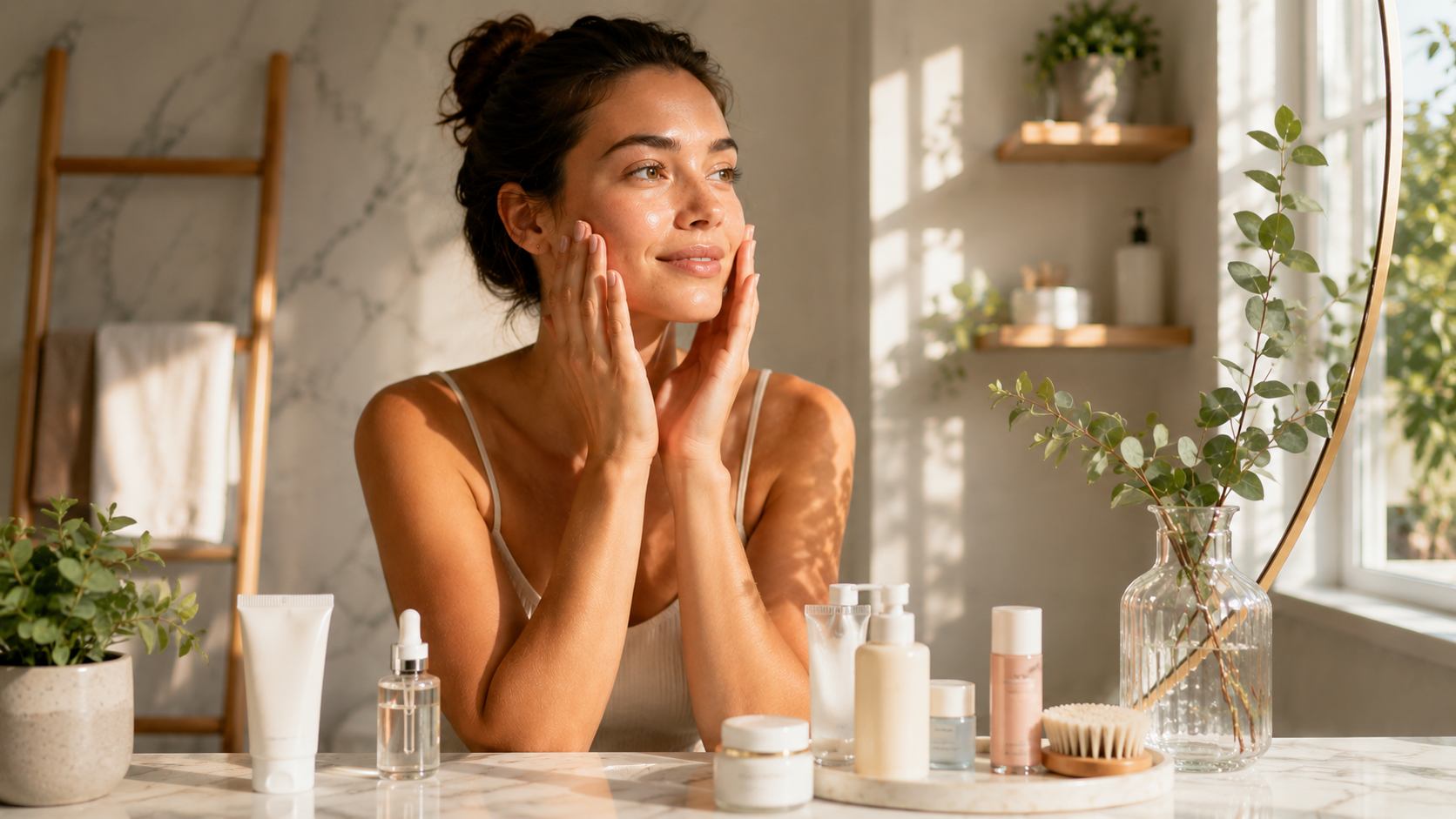
SPF should be applied after completing the rest of your skincare routine. This allows the sunscreen to form a protective barrier on the surface of the skin.
A simple morning routine may include:
- Cleansing the face
- Applying toner if desired
- Using treatment serums
- Applying moisturizer
- Finishing with sunscreen
Allowing each product to absorb before applying the next helps ensure the products work effectively.
Reapplying SPF During the Day
Applying sunscreen in the morning is essential, but reapplication is equally important. Sunscreen can wear off throughout the day due to sweat, natural oils, and environmental factors.
If you spend time outdoors, reapplying every two hours is often recommended. Powder sunscreens, spray sunscreens, and SPF mists make reapplication easier without disturbing makeup.
This step helps maintain continuous protection during long days outside.
Using Makeup with SPF for Extra Protection
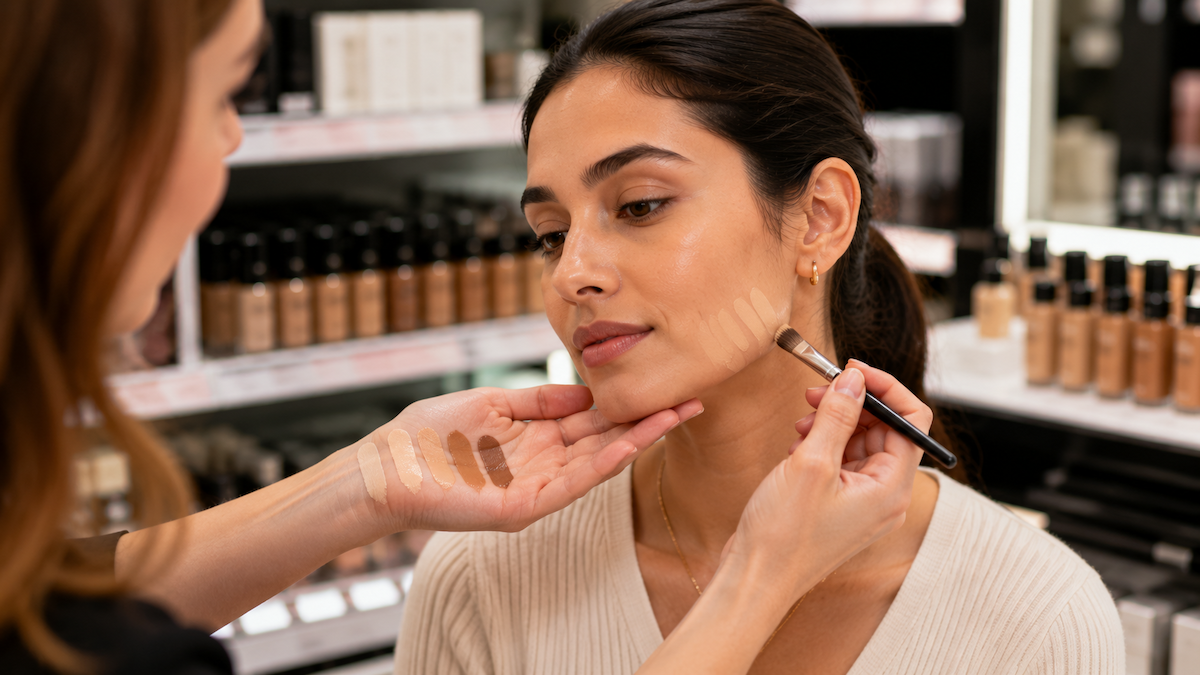
Many cosmetic products now contain SPF, which can provide an additional layer of protection. Foundations, tinted moisturizers, and powders with SPF can help reinforce your sunscreen.
However, makeup alone is usually not enough to provide full sun protection. It is best used as a supplement rather than a replacement for sunscreen.
Combining sunscreen with SPF-infused makeup products can enhance protection throughout the day.
Frequently Asked Questions
Do I need SPF even on cloudy days?
Yes, ultraviolet rays can penetrate through clouds and still reach your skin. Wearing sunscreen daily helps protect your skin even when the sun is not visible.
Can I skip sunscreen if my moisturizer has SPF?
Moisturizers with SPF can provide some protection, but many people do not apply enough product to achieve full coverage. Using a dedicated sunscreen helps ensure proper protection.
How much sunscreen should I apply to my face?
Most dermatologists recommend using about a nickel-sized amount for the face and neck. Applying an adequate amount ensures that the sunscreen provides the level of protection listed on the label.
Is SPF necessary if I stay indoors most of the day?
Yes, UV rays can pass through windows, meaning your skin may still be exposed while indoors. Daily sunscreen helps protect against this indirect exposure.
Conclusion
Incorporating SPF into your daily skincare routine is one of the simplest and most effective ways to protect your skin. Regular sunscreen use helps prevent sun damage, supports healthy skin, and reduces visible signs of aging over time. By choosing the right sunscreen and applying it consistently, you can create a routine that protects and nourishes your skin every day.
For personalized skincare advice and high-quality beauty products, ROSS's in Highland Park offers expert guidance to help you build a routine that keeps your skin looking healthy and radiant.