How Do You Determine Your Hair Porosity?
Hair care routines often focus on choosing the right shampoo, conditioner, and styling products. While these products are important, many people overlook one of the most influential factors in hair health, which is hair porosity. Hair porosity describes how easily your hair absorbs and retains moisture, and it plays a major role in determining which products and treatments will work best for your hair type.
When people struggle with dry hair, frizz, or products that seem ineffective, the underlying cause is often related to porosity rather than the products themselves. Some hair types absorb moisture quickly but lose it just as fast, while others resist moisture entirely. Understanding how your hair interacts with water and hair products can help you build a routine that actually supports your hair’s needs.
Quick Answer: You can determine your hair porosity by observing how your hair reacts to water and products or by performing simple tests such as the float test or spray test. Identifying whether your hair has low, medium, or high porosity helps you choose the right products and treatments for healthier hair.

What Hair Porosity Really Means
Hair porosity refers to the condition of the hair cuticle, which is the outer protective layer of each hair strand. The cuticle is made up of tiny overlapping scales that either allow moisture to pass through easily or block it from entering the hair shaft.
When the cuticle lies flat and smooth, moisture enters gradually and stays inside the hair longer. When the cuticle is raised or damaged, moisture enters quickly but escapes just as fast. This difference in moisture movement explains why some people experience dry or frizzy hair despite using hydrating products.
Hair porosity generally falls into three categories:
- Low porosity
- Medium porosity
- High porosity
Each type behaves differently and requires different hair care approaches.
The Float Test for Hair Porosity
One of the most well-known methods for checking hair porosity is the float test. Although it is not perfectly scientific, it can provide a helpful starting point.
To perform the float test, take a clean strand of hair and place it into a bowl of room temperature water. It is important that the strand is free of product buildup so the results are more accurate.
Observe how the strand behaves:
- If the hair floats on top for a long time, it may indicate low porosity.
- If the hair slowly sinks to the middle of the bowl, it may suggest medium porosity.
- If the hair sinks quickly to the bottom, it may indicate high porosity.
While this test can provide insight, it should be combined with other observations about how your hair behaves during washing and styling.
The Spray Test for Porosity
Another easy way to determine porosity is the spray test. This method focuses on how quickly your hair absorbs moisture.
Lightly mist a section of dry hair with water and watch how it reacts. If water beads on the surface of the hair and takes time to absorb, the hair likely has low porosity. If the hair absorbs the water quickly, it may indicate higher porosity.
This method can be helpful because it reflects how your hair responds to moisture in everyday situations.
Signs of Low Porosity Hair
Low porosity hair has tightly sealed cuticles that resist moisture absorption. While this can help the hair retain hydration once moisture enters, it can make it difficult for water and products to penetrate the strand.
People with low porosity hair often notice that their hair takes a long time to get fully wet in the shower. Products may sit on the surface of the hair rather than being absorbed. Hair may also take longer to dry after washing.
For this hair type, lightweight products and gentle heat during conditioning treatments can help open the cuticle slightly and allow moisture to enter more effectively.
Signs of Medium Porosity Hair
Medium porosity hair is often considered the most balanced type. The cuticle structure allows moisture to enter and remain inside the hair without escaping too quickly.
Hair with medium porosity typically responds well to most products and styling techniques. It usually holds styles well and maintains hydration without excessive dryness or buildup.
Because the cuticle structure is stable, this hair type often requires less intensive maintenance compared to high or low porosity hair.
Signs of High Porosity Hair
High porosity hair has raised or damaged cuticles that allow moisture to enter quickly. While this may initially make the hair feel hydrated, moisture tends to escape just as quickly.
This hair type may appear dry, frizzy, or prone to tangling. It may also absorb products rapidly but require frequent conditioning to maintain softness.
High porosity hair often benefits from protein treatments that help strengthen the hair structure and moisturizers that seal hydration into the strand.
Frequently Asked Questions
How do I know if my hair porosity is low or high?
You can determine hair porosity by observing how your hair absorbs water and reacts to products. Tests such as the float test or spray test can provide helpful clues, but noticing how your hair behaves during washing and styling is equally important.
Can hair porosity change over time?
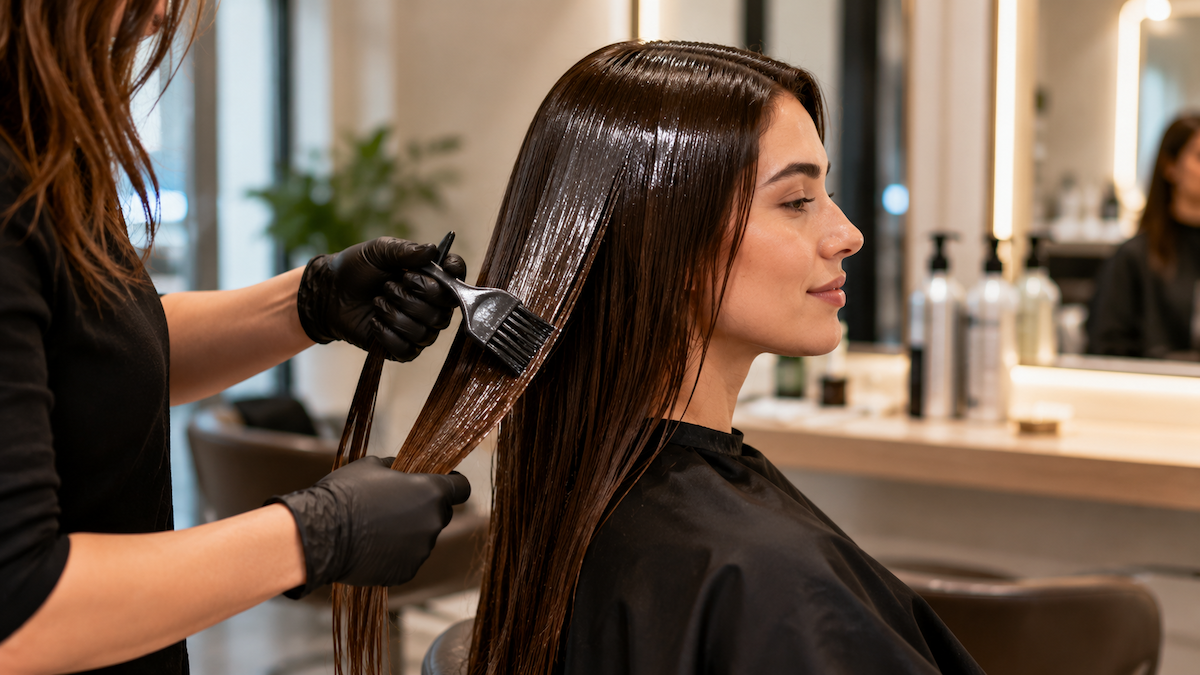
Yes, hair porosity can change due to chemical treatments, heat styling, and environmental damage. Coloring, bleaching, or frequent heat exposure can raise the cuticle and increase porosity.
Is high porosity hair damaged hair?
High porosity hair is often associated with damage, but it can also occur naturally in some hair types. Proper conditioning and strengthening treatments can improve the health of high porosity hair.
What products work best for low porosity hair?
Low porosity hair often benefits from lightweight moisturizers and products that avoid heavy oils or buildup. Gentle heat during deep conditioning can also help improve moisture absorption.
Conclusion
Understanding hair porosity is one of the most helpful steps in creating a hair care routine that actually works for your hair. By identifying how your hair absorbs and retains moisture, you can choose products and treatments that support healthy, manageable hair.
For expert hair care guidance and high-quality beauty products, ROSS's in Highland Park offers professional recommendations designed to help you maintain strong, beautiful hair.