What Should I Look for in Quality Tween Clothing Brands?
Shopping for a tween is genuinely different from shopping for a younger child or a teenager. The sizing sits in an awkward gap, the tastes are shifting fast, and the social stakes around what they wear have become real in a way they were not a few years earlier. Parents navigating this space often find themselves caught between wanting clothes that last and wanting choices their child will actually wear, and those two goals do not always point in the same direction.
The tween clothing market has expanded significantly in recent years as brands recognise that 8 to 12 year olds have both opinions and influence over household purchasing decisions. The range of what is available has improved considerably, but so has the amount of low-quality, trend-chasing product that looks appealing online and falls apart after a handful of washes. Knowing what to look for before you buy saves money, reduces frustration, and often means your tween actually gets more wear out of what you choose together.
Quick Answer: Quality tween clothing brands stand out through better fabric composition, reinforced construction at stress points, consistent sizing across styles, and age-appropriate designs that do not push tweens to dress older than they are. Brands that design specifically for this age group rather than scaling down adult cuts or scaling up children's styles almost always deliver a better fit and a more wearable result.

Fabric and Construction: The Foundation of Quality
The single most reliable indicator of clothing quality is what it is made from and how it is put together. For active tweens who move, slouch, stretch, and generally treat their clothes with a degree of physical intensity, fabric that holds its shape and stitching that does not unravel matters practically, not just aesthetically.
Natural fibres like cotton and cotton blends wear better than purely synthetic options in most everyday clothing. They breathe better, wash better, and tend to hold their shape longer. In activewear and leggings, performance synthetics are appropriate and often superior, but the quality of those fabrics still varies widely between brands. Higher-denier knits in leggings, for example, retain their opacity and shape far better than thinner alternatives.
Look at the seams and hems on any garment before buying. Flat-locked seams in activewear reduce chafing and last longer. Double-stitched hems are more durable than single stitch. Reinforced stress points at waistbands, pockets, and shoulder seams indicate a brand that has considered how the garment will actually be used.
Sizing That Actually Fits This Age Group
Tween sizing is one of the most inconsistent areas in children's fashion. The standard size ranges of 7 to 16 cover a huge span of body shapes and heights, and brands that do not design specifically for this age group often produce garments that fit poorly at both ends of the range. The children's and teens apparel available at a specialist boutique tends to fit more consistently than mass-market options because the brand curation is more deliberate.
Tween-specific brands understand that this age group is not simply a smaller version of a junior or a bigger version of a child. Proportions are different. Torso length, hip-to-waist ratios, and inseam lengths vary enormously within the age range. A brand that has invested in tween-specific pattern making will produce clothes that sit correctly on the body, which matters both for comfort and for the confidence tweens feel when something fits well.
When in doubt, prioritise fit over size number. A tween who is between sizes should almost always go up rather than squeeze into something that restricts movement or creates visible fit issues.
Age-Appropriate Style That Tweens Actually Want
One of the genuine tensions in tween shopping is the gap between what tweens see as desirable, often influenced by older teenagers and social media, and what parents consider age-appropriate. Quality brands navigate this thoughtfully by offering style options that feel current and relevant to the tween perspective without crossing into territory that is designed for an older audience.
Brands like Kaveah are good examples of this balance. The designs reflect current trends in colour, print, and silhouette in a way that resonates with tweens, while the construction and coverage remain genuinely appropriate for the age group. What's trending from Kaveah gives a sense of how a brand can feel fashion-forward without being inappropriate.
The best tween clothing brands involve the tween in the decision without surrendering parental input entirely. Offering choices within a curated selection, rather than unlimited browsing, tends to produce better outcomes. The tween feels heard and the parent feels confident about what ends up in the wardrobe.
Brands Worth Knowing in the Tween Space
For parents looking beyond the obvious mass-market options, the tween brand landscape includes some genuinely interesting choices at boutique level. Where to find trendy tween clothes points toward the kinds of destinations that carry brands designed specifically for this age group rather than approximating it.
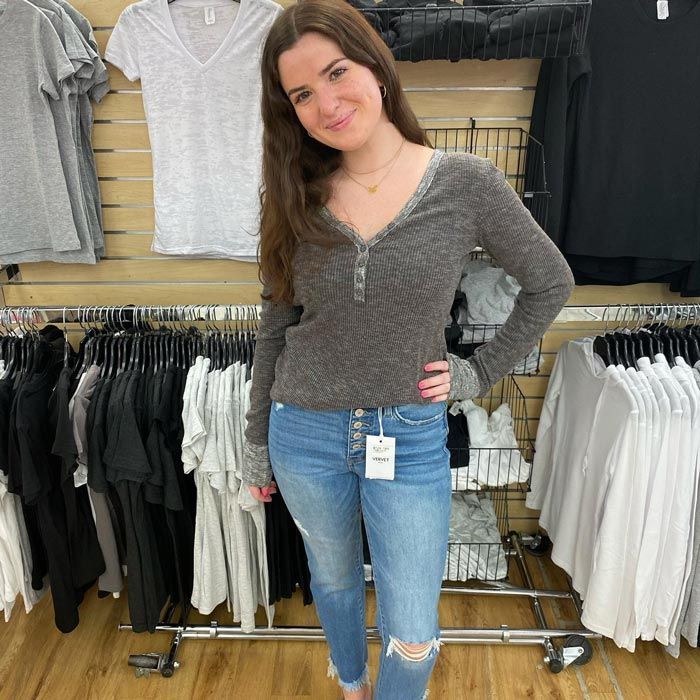
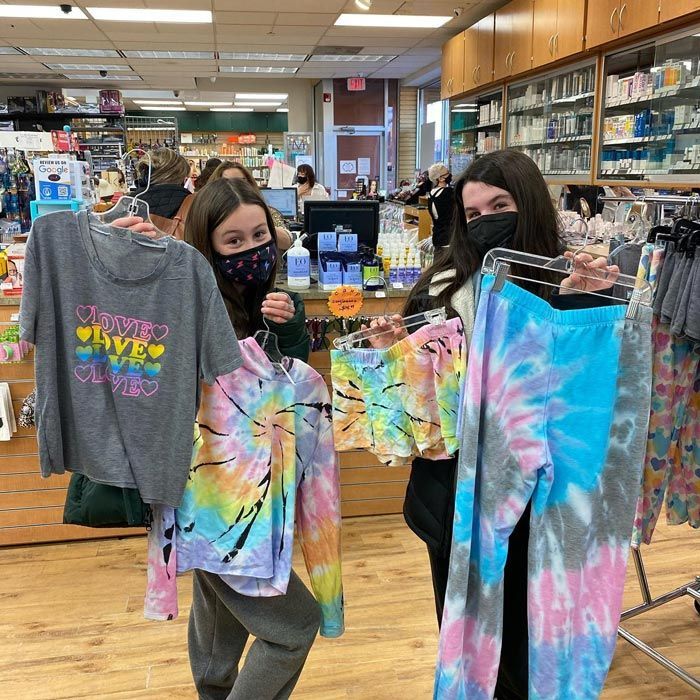
Rock Candy is one name that comes up consistently among tween-aged girls. The brand leans into playful graphics, bold colour, and comfortable cuts that work for school, social activities, and casual weekends. The quality is noticeably better than comparable fast-fashion alternatives, and the aesthetic is clearly aimed at tweens rather than being borrowed from either end of the age spectrum.
Finding Rock Candy specifically can require knowing where to look, and where to shop Rock Candy is a question with a clear local answer for families in and around Highland Park.
Keeping Up with Tween Trends Without Constant Replacement
Tween fashion moves quickly, and the temptation to keep up with every shift can become expensive. A more practical approach is to invest in higher-quality basics and statement pieces that photograph well and hold up over time, while allowing for one or two trend-driven purchases each season that are expected to be more temporary.
Keeping an eye on the latest tween and junior trends helps identify which trends are likely to have staying power versus those that will feel dated within a few months.
Leggings, graphic tees, and layer-friendly hoodies in neutral or versatile colours are the foundations that work across multiple seasons. The more specific and trend-dependent pieces, a particularly bold print, a silhouette that is very of-the-moment, are best treated as seasonal rather than long-term investments regardless of the brand quality.
What to Ask Before You Buy
A few practical questions save regret later. Ask whether the fabric has been pre-washed or whether it will shrink on the first wash. Ask whether the sizing runs true or runs large. Check whether there are care instructions that require dry cleaning or hand washing, which is often unrealistic for a tween's wardrobe. And consider whether the style has enough versatility to be worn in more than one context, because a garment that only works in one setting will get far less use than one that crosses over between school, casual outings, and social events.
Quality tween clothing is not always more expensive than fast-fashion alternatives. Sometimes the price difference is modest and the difference in wearability and durability across a season is significant. The goal is fewer, better choices rather than a large volume of items that disappoint quickly.
Frequently Asked Questions
What age range counts as tween?
Tween typically refers to children aged 8 to 12, although the age range can stretch from 7 to 14 depending on the brand. It is defined less by a specific age and more by the in-between developmental stage between childhood and adolescence, which has distinct sizing, style, and social needs.
Are tween clothing brands different from junior brands?
Yes. Junior sizing is designed for young women, typically teenagers and young adults, and assumes a more developed figure. Tween sizing is designed for the pre-teen body, which requires different proportions, particularly through the torso, hips, and inseam. Dressing tweens in junior sizing often results in poor fit.
How do I know if a tween clothing brand is good quality without trying it in person?
Check the fabric composition listed in the product description and look for specific indicators like reinforced seams, double-stitched hems, and quality knit weights. Reading verified reviews that specifically mention durability after washing is also more reliable than general star ratings.
Should tweens have input into what they wear?
Yes, and research on child development consistently supports involving tweens in clothing decisions as a way of building autonomy and self-expression. The most practical approach is to curate the options available rather than offering unlimited choice, so the tween feels ownership while the parent maintains appropriate guardrails.
What are the best places to shop for tween clothing locally?
Specialty boutiques that carry curated tween-specific brands tend to offer better quality and more consistent sizing than large department stores or online-only retailers. The advantage of shopping in person is the ability to assess fit, fabric, and construction before purchasing.
The Bottom Line
Quality tween clothing comes down to fabric, fit, and whether the brand has actually designed for this specific age group or simply approximated it. When those elements are right, the clothes last longer, look better, and get worn more, which makes them worth the investment.
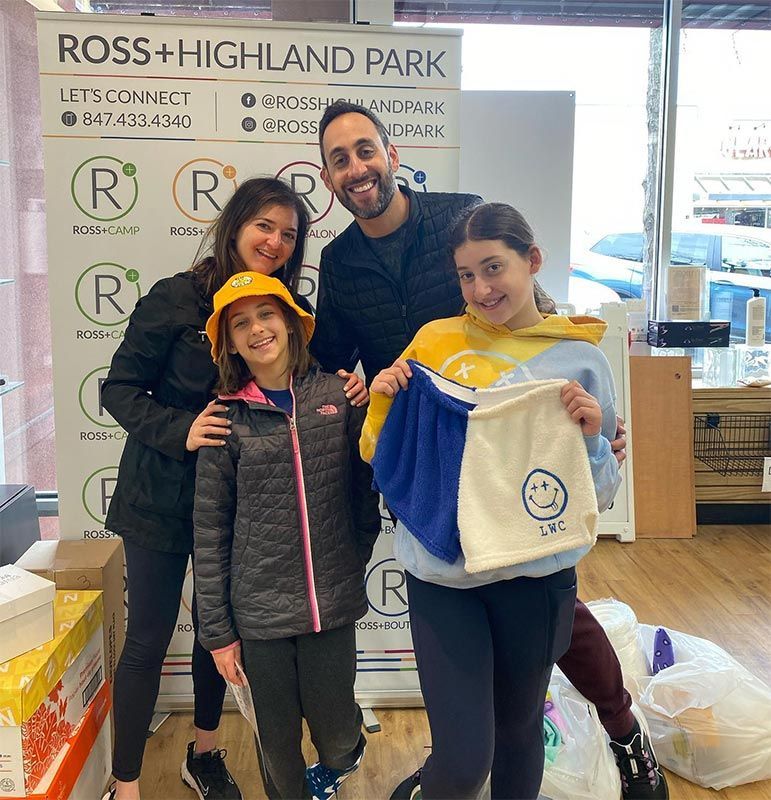
ROSS's in Highland Park carries a selection of tween brands chosen specifically for the quality and style expectations of this age group. If you are looking for something that will actually get worn and actually last, come in and see what is in store.