What Is a Keratin Treatment and Is It Safe for Your Hair?
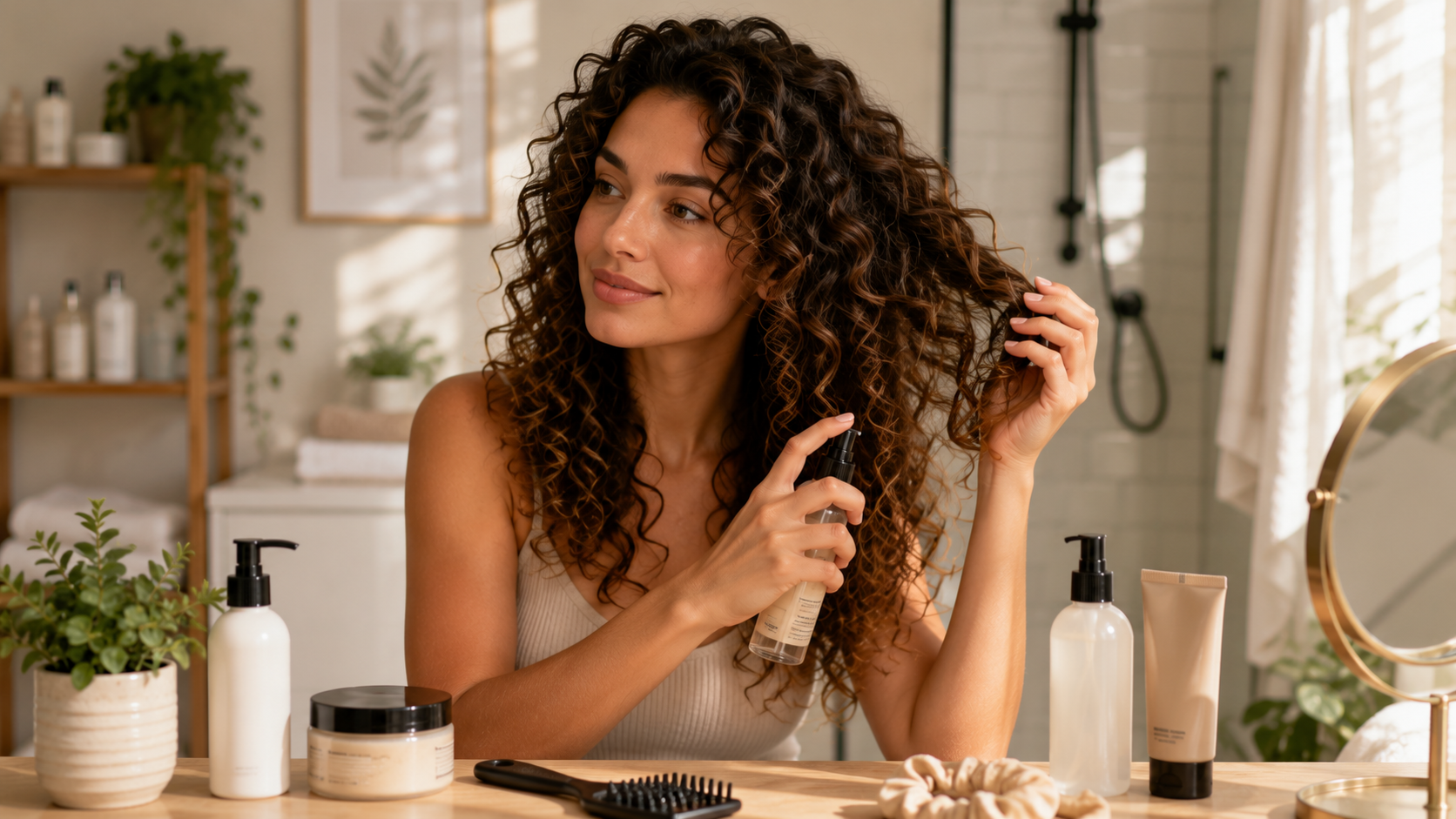
Frizzy, unmanageable hair is one of the most consistent frustrations in hair care, and no amount of styling product fully solves it for people whose hair has that particular texture. This is why keratin treatments have become so popular. The promise is straightforward: smoother, shinier, more manageable hair for months, with dramatically reduced styling time every morning. The reality is a little more nuanced, particularly around safety, which is a legitimate concern that deserves a clear answer.
Keratin is actually a protein that hair is made of. When hair is damaged, processed, or just naturally porous, the keratin structure becomes compromised and the hair behaves in ways that feel uncontrollable: it frizzes, loses shine, and resists styling. Keratin treatments work by replenishing and reorganising that protein structure using a combination of keratin-based products and heat. But the safety of those treatments depends significantly on which specific product is being used and how the treatment is performed.
Quick Answer: A keratin treatment is a professional hair smoothing service that uses heat to bond a keratin-based formula into the hair shaft, reducing frizz, increasing shine, and making hair more manageable for several months. Most modern keratin treatments at reputable salons are safe when performed correctly. The main safety question relates to formaldehyde content, which varies significantly between product types. Formaldehyde-free or low-formaldehyde options exist and are widely available.
How Keratin Treatments Work
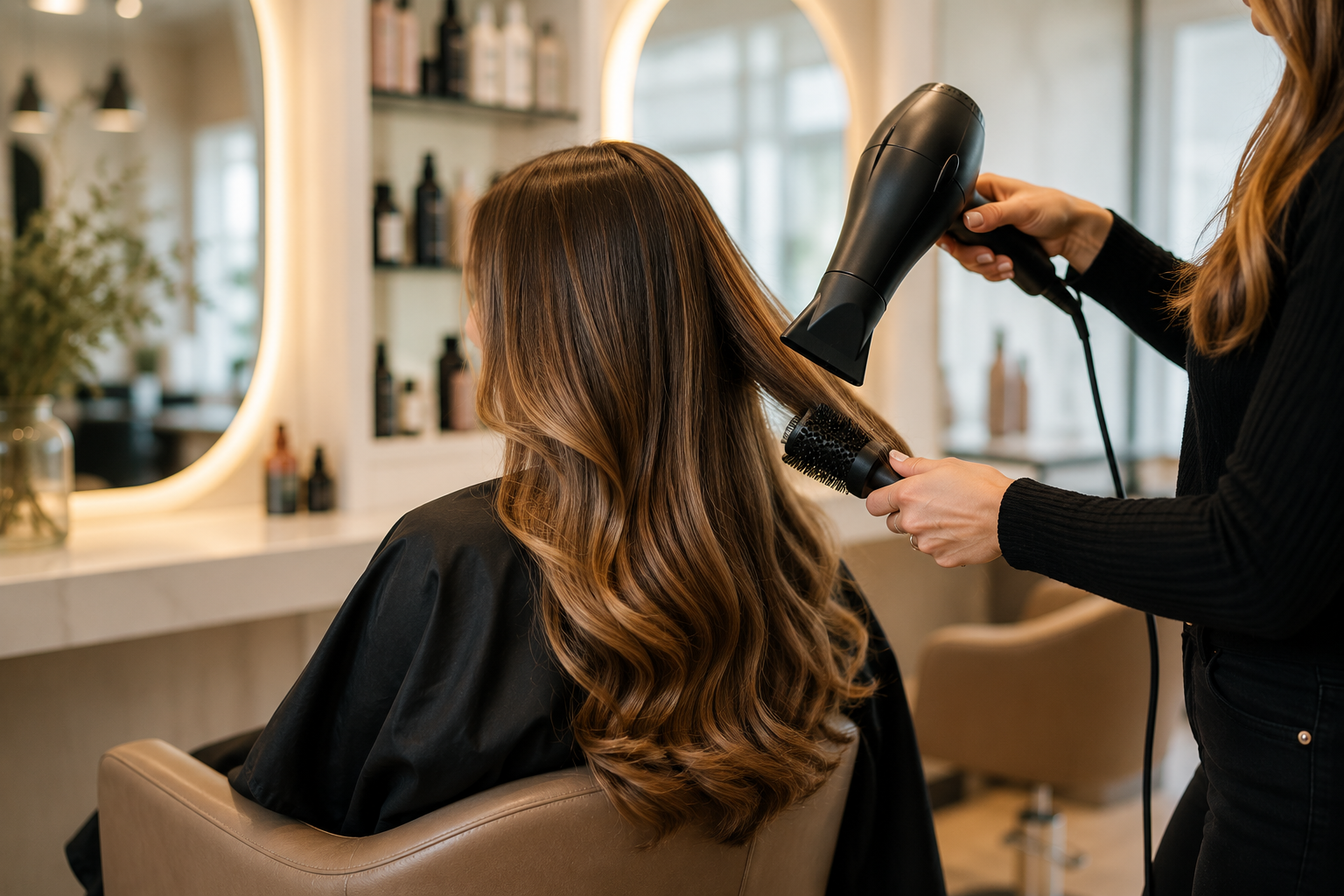
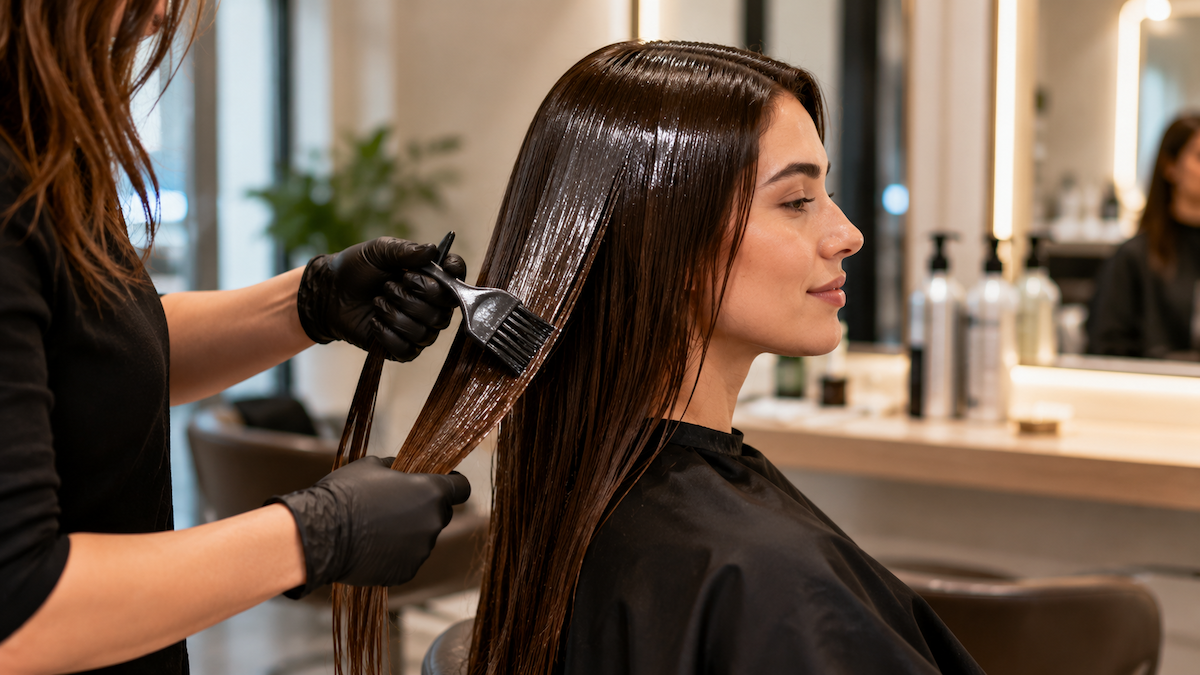
During a keratin treatment, the hair is washed, a liquid keratin formula is applied and combed through, and then a flat iron is passed over the hair in sections at high heat. The heat seals the keratin into the hair cuticle, smoothing it flat and filling in the porous gaps that cause frizz. The result is hair that is visibly smoother, significantly shinier, and dramatically easier to style.
The effect is not permanent. As the hair is washed over successive weeks and months, the treatment gradually washes out. Most professional keratin treatments last between two and five months depending on the formula, how often hair is washed, and what products are used. Using sulfate-free shampoo significantly extends the life of the treatment.
Unlike a chemical relaxer, which permanently alters the hair's structure by breaking disulfide bonds, a keratin treatment does not change the hair's actual structure. When the treatment grows out or washes out, the hair returns to its natural texture.
The Formaldehyde Question
The safety concern most commonly raised about keratin treatments relates to formaldehyde. Some traditional formulas release formaldehyde gas when heat is applied during the treatment process. Formaldehyde is a known irritant and a classified carcinogen, and prolonged occupational exposure is a legitimate health concern for salon professionals who perform these treatments regularly in poorly ventilated spaces.
The risk to clients who have an occasional treatment is considerably lower than the risk to stylists who do multiple treatments per day. That said, many people are sensitive to formaldehyde and experience eye irritation, headaches, or respiratory discomfort during treatment, and it is entirely reasonable to want to avoid it.
The response from the professional hair care industry has been the development of formaldehyde-free and low-formaldehyde alternatives. These use different smoothing agents, including glyoxylic acid and amino acids, to achieve similar results without the same chemical concerns. They are widely available at professional salons and produce very comparable smoothing results in most hair types.
Types of Keratin Treatments
Brazilian Blowout
The Brazilian Blowout is one of the most well-known keratin smoothing services. The Brazilian Blowout smooths and conditions simultaneously by sealing a protein layer around the hair shaft rather than inside it, which means the hair maintains some of its natural movement and curl rather than being straightened completely.
Traditional Keratin Smoothing
Traditional keratin smoothing treatments produce a more complete straightening effect and are suited to very thick, coarse, or extremely frizzy hair. The formula penetrates more deeply into the hair shaft, producing a stronger smoothing effect. These are more likely to contain formaldehyde releasing agents, so verifying the specific product being used before booking is worthwhile.
Formaldehyde-Free Options
Newer formaldehyde-free keratin treatments use amino acid-based formulas that produce genuine smoothing without the same chemical exposure. The results are slightly less dramatic than the strongest traditional formulas on very coarse hair, but for most hair types the difference is minimal and the tradeoff in safety and comfort during the treatment is clearly worthwhile.
Who Benefits Most From Keratin Treatments
Keratin treatments are most transformative for hair that is naturally coarse, thick, or very frizzy. They also work exceptionally well for hair that has become porous and frizzy through heat damage, bleaching, or colour processing. For fine or already-smooth hair, the results are subtler, and the smoothing benefits may not justify the cost and time.
People who spend significant time styling their hair every morning find that a keratin treatment changes their daily routine substantially. Hair that previously required 30 or 40 minutes of blow-drying and flat-ironing can often be dried and styled in half that time or less, with significantly better results. Over the lifetime of the treatment, the time saving alone is considerable.
There is also the cumulative hair health dimension. Spending less time with hot tools on your hair every day as a result of a smoothing treatment reduces ongoing heat damage from styling tools, which means the hair comes out of the treatment period in better condition than if it had been daily heat styled.
What to Expect and How to Care for Treated Hair
Immediately after a keratin treatment, most formulas require 48 to 72 hours before the hair can be washed or tied up. During this period the treatment continues to set, and wetting or creasing the hair can affect the result. Your stylist will give specific aftercare instructions for the product used.
After that initial period, using sulfate-free shampoo after a keratin treatment is one of the most important steps for extending its life. Sulfates strip the treatment out of the hair significantly faster than gentle cleansers, reducing the longevity from months to weeks.
The practices that contribute to maintaining healthy hair year-round generally support the longevity of a keratin treatment: avoiding over-washing, using heat protectant when styling, keeping ends trimmed, and deep conditioning regularly.
Ross Highland Park's professional keratin treatments at the salon are performed by experienced stylists using professional-grade products, with a consultation to discuss which formula is best suited to your hair type and your specific concerns about safety and results.
Frequently Asked Questions
Will a keratin treatment change my natural curl pattern permanently?
No. Keratin treatments are semi-permanent. They gradually wash out over two to five months, and the hair returns to its natural texture. For a permanent change to curl pattern, a chemical relaxer is required, which is a different and more drastic treatment.
Can I have a keratin treatment if my hair is colour-treated?
Yes, in most cases. Keratin treatments are compatible with colour-treated hair and can actually add shine and manageability to hair that has been chemically processed. However, it is generally recommended to colour first and then keratin treat, rather than the reverse, to protect the integrity of the colour.
How long does a keratin treatment appointment take?
A full keratin treatment appointment typically takes two to four hours depending on the length and thickness of the hair and the specific formula being used. Your stylist can give a more precise estimate during a consultation.
Is a keratin treatment suitable for fine or thin hair?
It can be, depending on the formula. Some lighter keratin treatments add body and shine to fine hair without weighing it down. Stronger formulas designed for thick, coarse hair can make fine hair limp. A consultation with your stylist about the right product for your hair weight is important.
Can I do a keratin treatment at home?
At-home keratin kits exist, but they are significantly less effective than professional formulas and more difficult to apply correctly without a second set of hands and professional tools. For a genuine result that lasts, a professional treatment is the significantly better option.
The Bottom Line
Keratin treatments are a genuinely effective solution for frizzy, unmanageable hair, with modern formaldehyde-free options making safety concerns much more manageable. The results, lasting smoothness, shine, and dramatically reduced styling time, are real and meaningful for the right hair type.
Ross Highland Park's salon team offers keratin smoothing treatments tailored to your hair type and concerns. Stop in or reach out to book a consultation and find out which formula would work best for your hair.