How to Introduce Skincare to a Tween Without Overdoing It
The skincare conversation has arrived in a new generation earlier than ever before. Tweens today are surrounded by skincare content on social media, aware of brands and ingredients that many adults have only recently learned about, and often enthusiastic about building a routine. This enthusiasm is not inherently a problem. Learning to take care of skin is a healthy habit with genuine lifelong benefits. The challenge is making sure the introduction is appropriate to the age and the actual needs of young skin rather than a miniaturised version of an adult anti-ageing routine.
Tween skin is at a specific stage of development, and the products that serve an adult with concerns about fine lines, hyperpigmentation, or sun damage are not the right tools for a ten to thirteen year old navigating the early stages of hormonal change. The skincare range at ROSS's in Highland Park includes gentle, age-appropriate options that give tweens a solid starting point without unnecessary complexity.
Quick Answer: Tween skincare should be minimal, gentle, and focused on three core steps: a gentle cleanser, a light moisturiser, and a daily broad-spectrum SPF. Most tweens do not need serums, exfoliants, retinol, or any active ingredient targeting ageing. Keeping the routine simple protects young skin, builds healthy habits, and avoids the irritation and barrier disruption that comes from overusing products designed for adults.
What Tween Skin Actually Needs
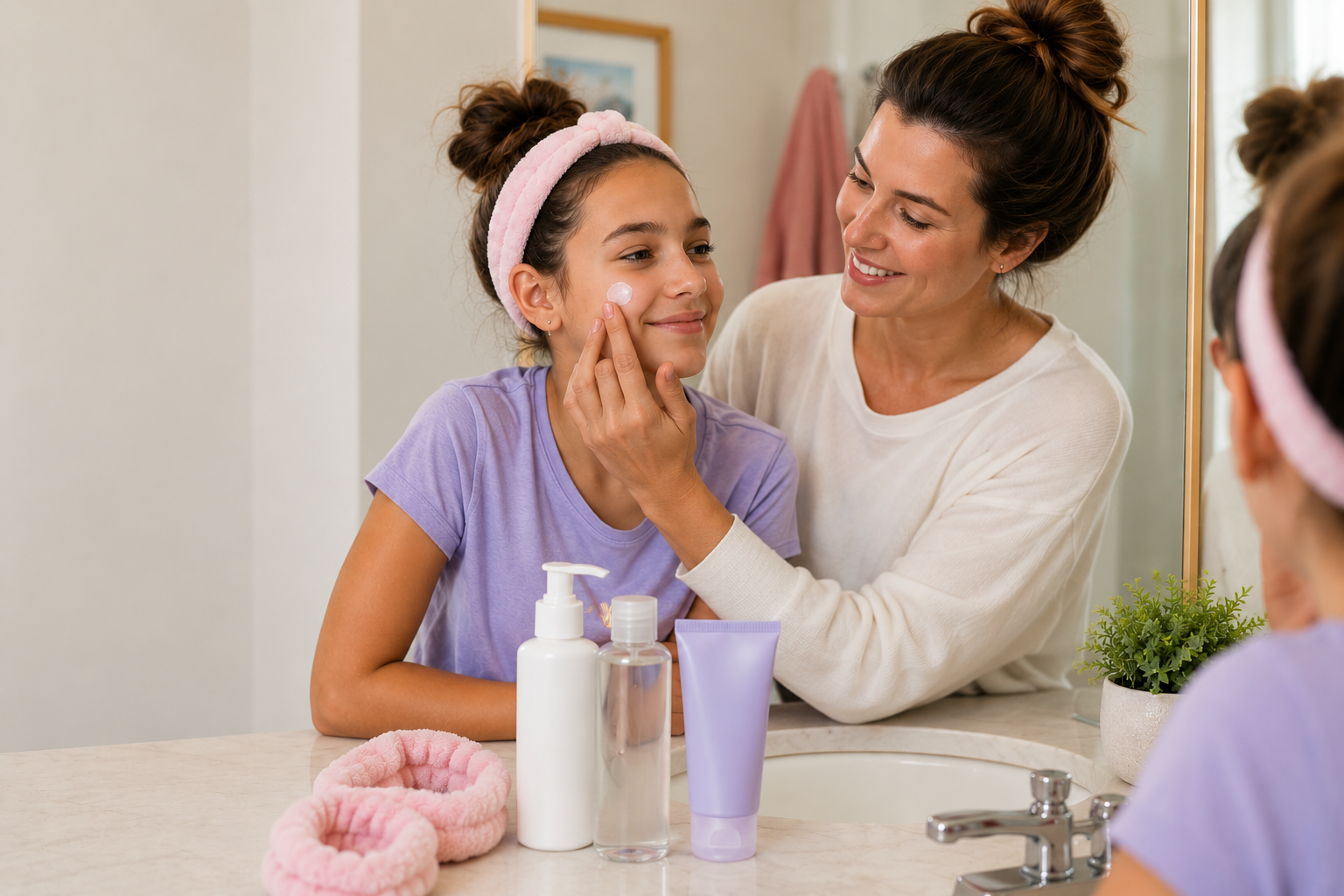
Young skin is naturally resilient, produces good quantities of collagen and elastin, and has a functional barrier that, when treated gently, does its job well. The skincare concerns that are genuinely relevant for tweens are primarily related to the hormonal changes of early puberty: increased oil production, the beginnings of occasional breakouts, and the mild sensitivity that can accompany these shifts.
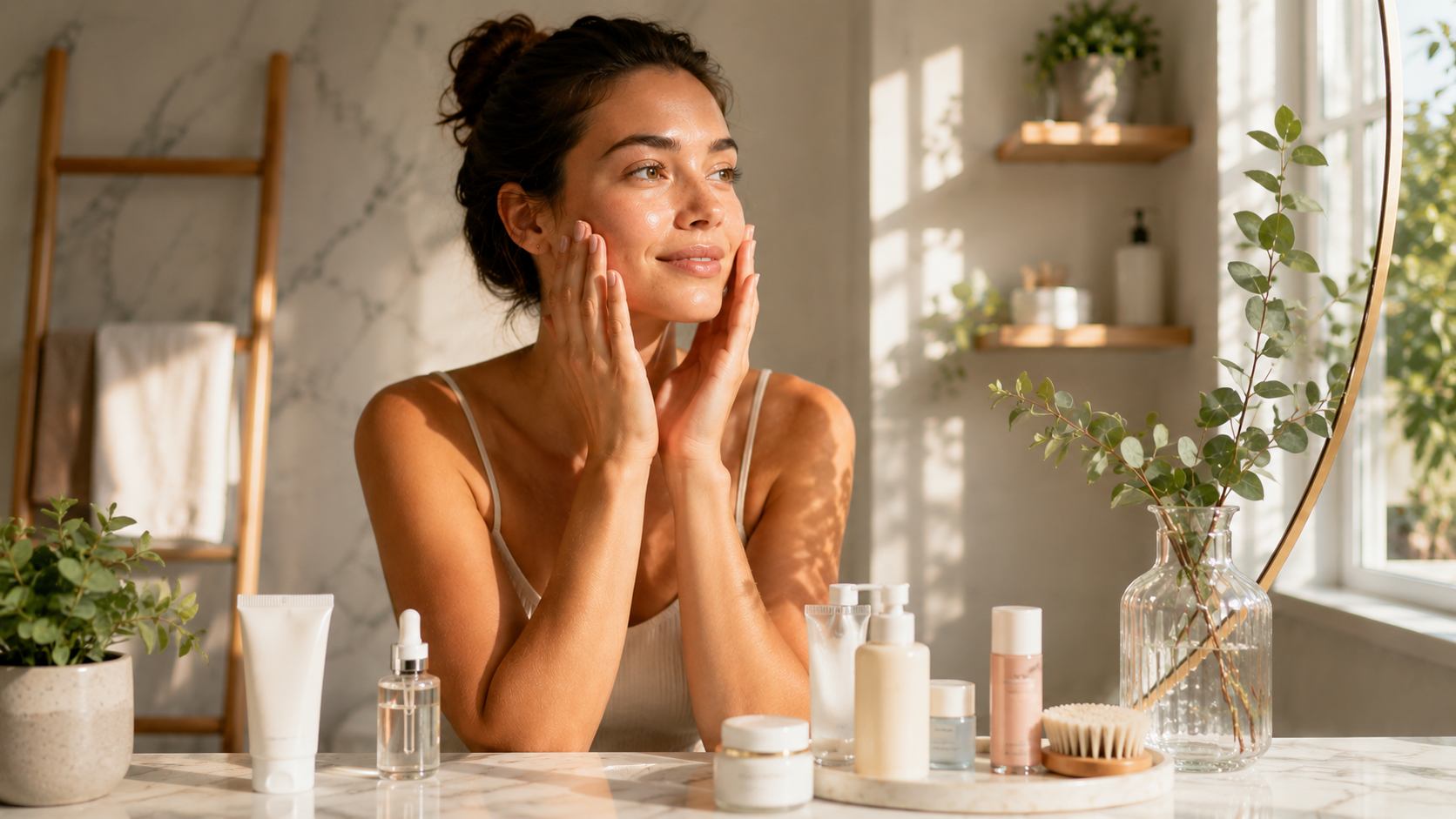
A gentle, non-stripping cleanser removes excess oil, sweat, and environmental residue without disrupting the skin barrier. A light, non-comedogenic moisturiser maintains hydration without blocking pores. A daily SPF protects against cumulative UV damage that begins accumulating from childhood. That is genuinely the entire routine for most tweens.
Adding anything beyond this, whether it is vitamin C serums, niacinamide concentrates, AHA exfoliants, or retinol, introduces active ingredients that young skin does not need and may react to. The barrier of a tween's skin is still developing, and exposing it to high concentrations of actives can cause irritation, sensitivity, and disruption that would not occur in more established adult skin.
Why Gentle, Sensitive-Skin Formulas Are the Right Starting Point
Products formulated for skincare for sensitive skin are the most appropriate category for tween use, even when the tween does not have sensitive skin in the clinical sense. These products are designed to deliver core skin care functions without aggressive ingredients, fragrances, or concentrations that could cause reactions in skin that is still establishing its baseline.
Fragrance-free formulas are preferable for tweens because fragrance is one of the most common causes of contact dermatitis and allergic reaction in young skin. Products with short, recognisable ingredient lists tend to carry lower risk of irritation than those with extensive combinations of actives.
The Sunscreen Conversation Is the Most Important One
If there is one skincare habit that genuinely matters at this age, it is sunscreen. Building an SPF habit early is one of the highest-impact things a young person can do for their long-term skin health. The UV damage that accumulates during childhood and adolescence contributes directly to premature ageing, pigmentation, and skin cancer risk in adulthood, and the majority of lifetime sun exposure occurs before age 18.
Making SPF application a daily, non-negotiable step rather than something reserved for sunny beach days is the goal. A lightweight, non-greasy formulation that goes on easily under clothing or makeup makes this habit much easier to maintain than a heavy, white-casting option that tweens will resist.
What to Avoid in Tween Skincare
The list of products that are not appropriate for tweens is worth making explicit, because social media has created significant pressure in this age group to use products that were developed for adults with very different skin concerns. Products to avoid include:
• Retinol and all other retinoid products, which are designed for adult anti-ageing and can cause significant irritation in young skin
• AHA and BHA exfoliants such as glycolic acid, salicylic acid, and lactic acid at concentrations intended for adult use
• Vitamin C serums at high concentrations
• Prescription-strength actives of any kind
• Heavily fragranced products, including those marketed specifically to young people with appealing scents
The appeal of these products for tweens is largely driven by the visibility of adult skincare routines on social media and the sense that more complex equates to more effective. In reality, for this age group the opposite is true. The skin that needs the least is cared for best by giving it very little.
Managing Occasional Breakouts Appropriately
Breakouts in tweens are normal and directly related to hormonal fluctuation rather than any failure of skincare. A gentle, non-comedogenic cleanser used consistently is often sufficient to manage mild breakouts without additional intervention.
If breakouts are persistent or causing distress, a low-concentration salicylic acid cleanser used a few times per week, rather than a daily leave-on treatment, is a reasonable step up that addresses the concern without overloading the skin. Spot treatments should be used precisely and sparingly rather than as a general face treatment.
Significant acne in a tween is worth discussing with a dermatologist or paediatrician. It may have hormonal drivers that topical products alone cannot address, and professional guidance at this stage can prevent both the physical and emotional impact of untreated breakouts.
Making Skincare Feel Positive, Not Pressured
How skincare is introduced matters as much as which products are chosen. Framing it as a form of self-care and a healthy routine rather than a response to a problem creates a positive relationship with the habit. Tweens who feel that skincare is something they are doing to take care of themselves, rather than to fix something wrong with their face, are more likely to maintain the habit consistently and approach it with a healthy attitude as they get older.
Keeping the routine short enough to complete easily is part of this. Building a skincare routine that takes two minutes rather than twenty is entirely appropriate for this age group, and the discipline of maintaining a consistent simple routine is more valuable than the performance of a complex one.
Year-round consistency matters too. Keeping teen skin healthy through all seasons, not just summer, builds a genuine understanding that skin care is a daily habit rather than a seasonal or reactive one.
Frequently Asked Questions
At what age should a tween start a skincare routine?
A simple two to three step routine, cleanser, moisturiser, and SPF, is appropriate from around age nine or ten, or when hormonal changes begin to affect the skin. There is no benefit to starting earlier unless a specific skin concern has been identified by a healthcare professional.
Can tweens use adult skincare products?
Most adult skincare products are formulated for adult skin concerns at adult skin tolerance levels. A gentle, fragrance-free adult moisturiser or cleanser with a simple ingredient list may be perfectly appropriate. However, products containing high concentrations of actives such as retinol, AHAs, or potent vitamin C should not be used by tweens.
Is it normal for tweens to get breakouts?
Yes, completely normal. Hormonal changes in early puberty increase sebum production, which contributes to blocked pores and breakouts. This is a physiological process rather than a skincare failure. A gentle cleanser used consistently, along with avoiding heavy comedogenic products, is the most helpful response for mild breakouts.
Should tweens use eye cream?
No. Eye creams address concerns such as fine lines, puffiness, and dark circles that are not relevant for most tweens. The delicate eye area skin does not need additional treatment at this age, and introducing unnecessary products adds complexity and potential irritation without benefit.
How do you talk to a tween about skincare without making them feel self-conscious?
Frame skincare as a health habit rather than a beauty routine, in the same category as brushing teeth or washing hands. Acknowledge that their skin looks fine and that the routine is about taking care of it, not fixing it. Involving them in selecting gentle products gives them a sense of ownership without creating anxiety about their appearance.
The Bottom Line
Tween skincare works best when it is simple, gentle, and grounded in actual skin needs rather than adult concerns or social media influence. Cleanser, moisturiser, and SPF cover everything most tweens genuinely need, and introducing those three steps well is far more valuable than building a complex multi-step routine. ROSS's in Highland Park carries age-appropriate skincare options alongside its broader range for tweens and teens. Get in touch or visit the store for personalised recommendations.