
What Are the Best Skincare Products for Sensitive Skin?
Having sensitive skin can feel like a never-ending challenge. From redness and irritation to dryness or breakouts, many people with sensitive skin struggle to find the right skincare products that provide results without causing discomfort. Choosing the wrong product can lead to more irritation, so it’s essential to select gentle, effective products that cater to your skin’s specific needs. If you're looking to keep your skin calm, nourished, and healthy, it’s crucial to know which products work best for sensitive skin.
Understanding Sensitive Skin
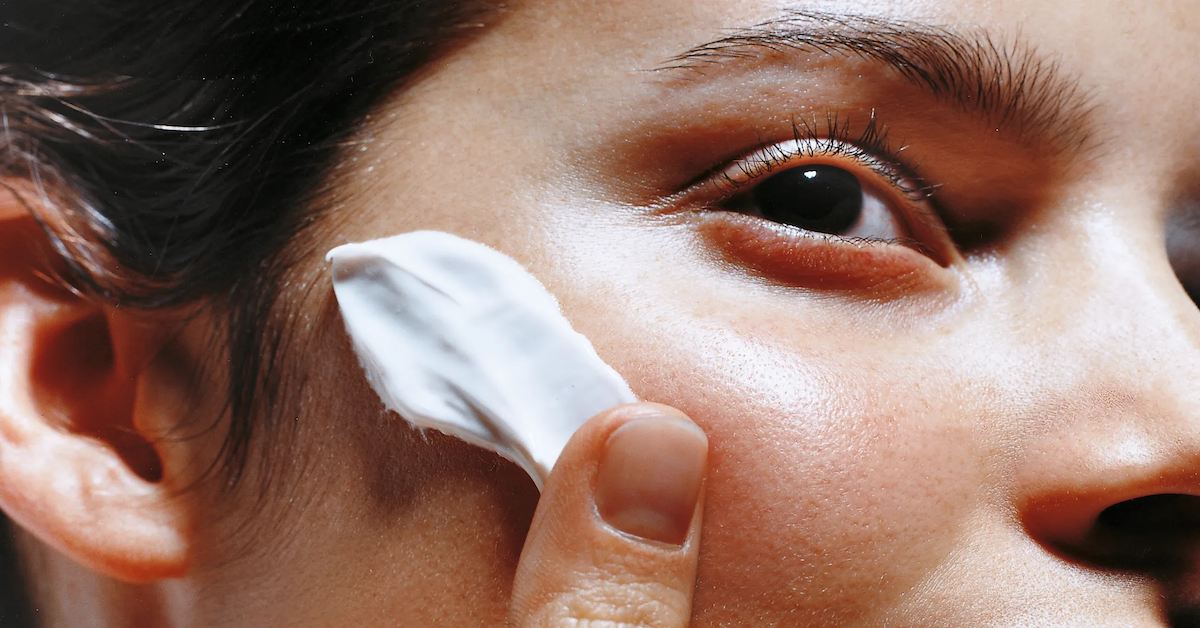
Sensitive skin refers to skin that is prone to irritation, redness, and reactions when exposed to certain products or environmental conditions. It may feel tight, itchy, or dry, and can often become irritated by harsh chemicals, fragrances, or extreme temperatures. Identifying sensitive skin is the first step in knowing what products to use and avoid. For sensitive skin, choosing products that are formulated with soothing, hydrating, and non-irritating ingredients is key.
Key Ingredients to Look for in Sensitive Skin Products
When shopping for skincare products, it’s important to be selective about the ingredients in the formula. Opting for products with a gentle formulation will help your skin maintain its natural balance while reducing the risk of irritation.
For starters, always go for fragrance-free products, as fragrances are one of the most common culprits for skin irritation. Additionally, ingredients like aloe vera, chamomile, and calendula are excellent for soothing and calming sensitive skin. These natural botanicals help to reduce inflammation, redness, and discomfort. Moisturizing agents like hyaluronic acid, glycerin, and ceramides are essential for locking in moisture and strengthening the skin barrier, which is crucial for keeping sensitive skin hydrated. Lastly, choose hypoallergenic and dermatologist-tested products, as they are generally less likely to cause adverse reactions.
Best Skincare Products for Sensitive Skin
Now that we know what ingredients to look for, let's dive into some of the best skincare products that work wonders for sensitive skin.
When it comes to cleansers, it’s essential to avoid harsh, stripping formulas. Instead, opt for a gentle, fragrance-free cleanser. Cream-based or gel cleansers are often more hydrating than foam-based ones. A good example is a gentle hydrating cleanser that removes dirt and makeup without compromising the skin’s natural moisture. These types of cleansers are formulated to be non-foaming, making them ideal for sensitive skin types.
For moisturizers, choose one that provides long-lasting hydration without being heavy. Look for a moisturizer with ceramides and glycerin, which are perfect for sensitive skin because they help restore the skin’s barrier and retain moisture. A lightweight, fragrance-free, hydrating lotion is a great option for daily use. For drier skin types, you might prefer a richer, more emollient cream that can deeply nourish and protect throughout the day.
When choosing a toner for sensitive skin, it’s important to skip those with alcohol or other irritating ingredients. Instead, choose an alcohol-free toner that focuses on hydration and gentle soothing. Ingredients like rose water and aloe vera make great toners because they help balance the skin’s pH while calming redness or irritation.
Sunscreens for Sensitive Skin
Sunscreen is a must, no matter your skin type, but those with sensitive skin need to be extra cautious when selecting a sunscreen. Opt for a mineral-based sunscreen with ingredients like zinc oxide or titanium dioxide, which are less likely to cause irritation compared to chemical sunscreens. A broad-spectrum SPF 30 or higher sunscreen will protect against both UVA and UVB rays, keeping your skin safe from harmful sun exposure without causing irritation. Look for a sunscreen that’s specifically labeled as “sensitive skin” to ensure it’s formulated for your needs.
Best Serums for Sensitive Skin
Serums can be beneficial for sensitive skin, but it’s essential to choose one with gentle, calming ingredients. For sensitive skin that needs extra care, look for serums that contain niacinamide, which helps to strengthen the skin’s barrier and reduce redness and inflammation. Vitamin C serums can be useful, too, but make sure the product is formulated with a mild version of vitamin C that’s less likely to cause irritation. Peptides are another great ingredient to look for, as they help repair the skin, promote healing, and soothe inflammation.
Treatments for Sensitive Skin
For those with more specific concerns such as acne, rosacea, or eczema, there are treatments available that are specifically formulated for sensitive skin. When selecting a treatment, make sure it’s non-comedogenic, meaning it won’t clog pores or irritate your skin. If you’re dealing with redness or rosacea, a calming treatment cream with ingredients like green tea or licorice extract can help to reduce inflammation. For acne-prone sensitive skin, choose a gentle benzoyl peroxide or salicylic acid treatment that’s designed for sensitive skin and offers controlled-release formulas to minimize irritation.
Building a Routine for Sensitive Skin
When it comes to creating a skincare routine for sensitive skin, simplicity is key. Stick to a basic, gentle routine that focuses on hydration, protection, and soothing. Start with a mild, hydrating cleanser, followed by a soothing toner and a nourishing moisturizer. Apply sunscreen every morning, even on cloudy days, to protect your skin from harmful UV rays. You can incorporate serums or treatments as needed, but be mindful of the ingredients and how they react with your skin.
It’s also essential to patch-test new products before fully incorporating them into your routine. This will help you determine whether a product is compatible with your skin and avoid unnecessary irritation.
DIY Skincare for Sensitive Skin
For those who prefer natural alternatives, DIY skincare can be a soothing way to care for sensitive skin. Gentle ingredients like honey, oatmeal, and avocado can work wonders when applied topically. A simple DIY face mask made from honey and oatmeal can calm redness and hydrate the skin, while avocado provides rich moisture without irritation. Always make sure to patch-test any DIY recipes to avoid potential allergic reactions.
Conclusion
Taking care of sensitive skin requires choosing the right products and being mindful of the ingredients that work best for your skin type. By opting for gentle, fragrance-free products with soothing ingredients like aloe vera, chamomile, and ceramides, you can keep your skin nourished and balanced. Remember to incorporate sunscreen daily and choose treatments that target your specific concerns without causing irritation.
At ROSS’s in Highland Park, we’re committed to helping you find the best skincare solutions for sensitive skin. Whether you need a personalized skincare routine or are looking for specific product recommendations, we’re here to offer expert advice and ensure your skin stays healthy and radiant. Visit us today for the best in skincare and more!