What to Pack for Summer Camp: The Ultimate Checklist
Summer camp packing season generates a very specific kind of parenting stress. The camp sends a list that seems either impossibly long or surprisingly vague. The child has opinions about what they want to bring that may not align with what will actually be useful. And somewhere in the middle, someone has to make decisions about whether the old sleeping bag is good enough, how many pairs of socks is enough, and whether a flashlight is a genuine necessity or a nice-to-have.
Getting camp packing right the first time makes a meaningful difference to how comfortable and confident a child feels when they arrive. A child who arrives at camp with everything they need and nothing they do not can focus on the experience rather than feeling underprepared or overwhelmed by having brought a trunk full of things they cannot manage or find. The checklist approach, broken down by category, makes the whole process more manageable.
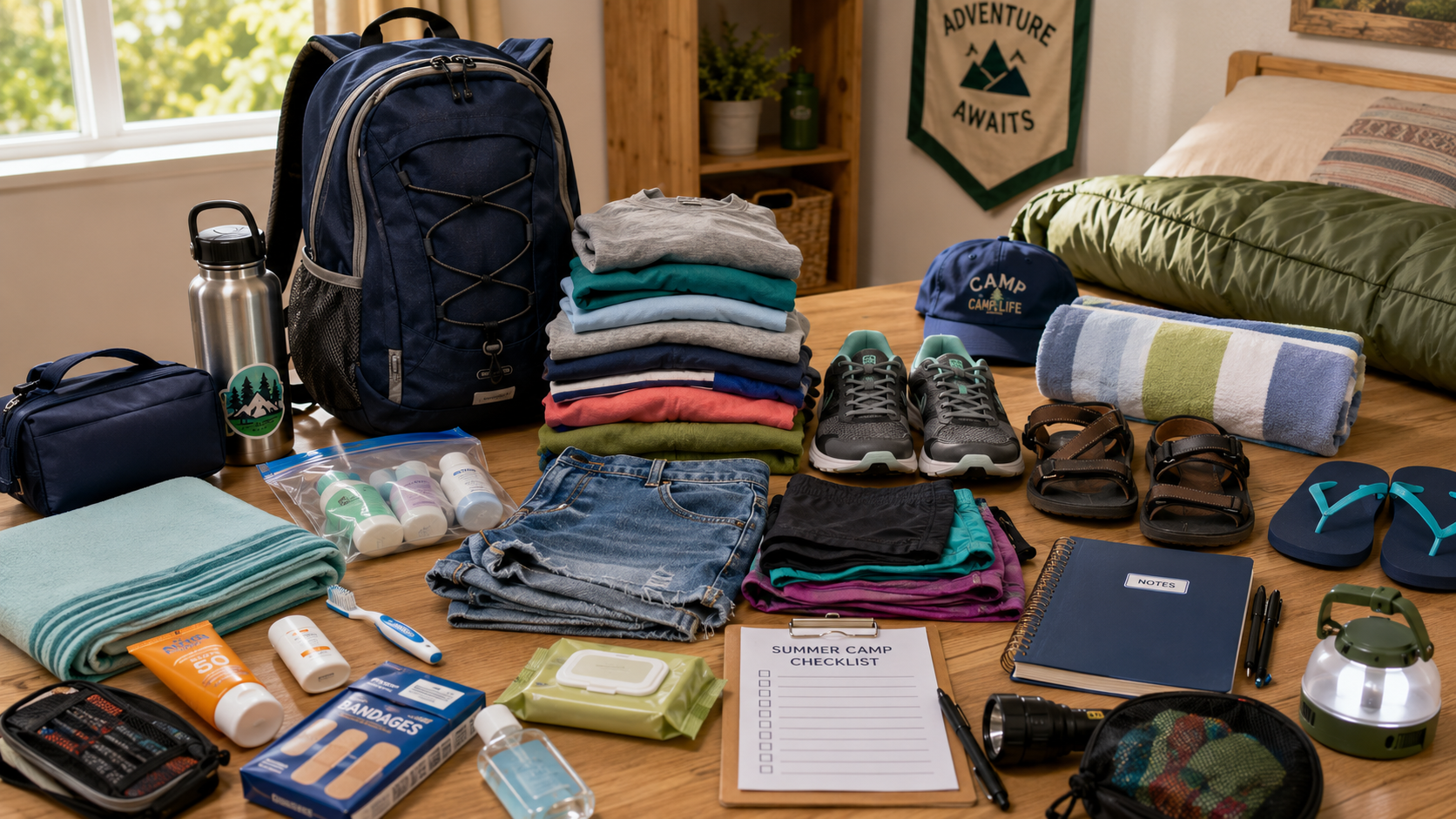
Quick Answer: For most overnight summer camps, the essential categories to pack are clothing for the duration of the session plus a few days extra, sleepwear, bedding and a sleeping bag, personal care items, a basic first aid kit, footwear for multiple activities, any required camp gear specific to the programme, stationery for letters or emails home, and any comfort items the child will genuinely use. Day camp packing is a lighter version of the same categories, minus bedding and with less clothing.
Clothing: How Much Is Enough
The most common packing mistake is either significantly underpacking clothing (leading to a child wearing the same outfit for four days) or overpacking in a trunk so full that nothing can be found or managed independently. The right quantity depends on session length and whether the camp does laundry runs. For a one-week session without laundry, seven to eight full outfits is appropriate. Two weeks with a midweek laundry run needs seven outfits.
For activities, choose clothing that is comfortable to move in, can get dirty without causing distress, and dries reasonably quickly. Camp clothing should be the practical wardrobe, not the special wardrobe. Everything going to camp should be clearly labelled with the child's name, including underwear and socks, because a communal laundry system can mix things very efficiently.
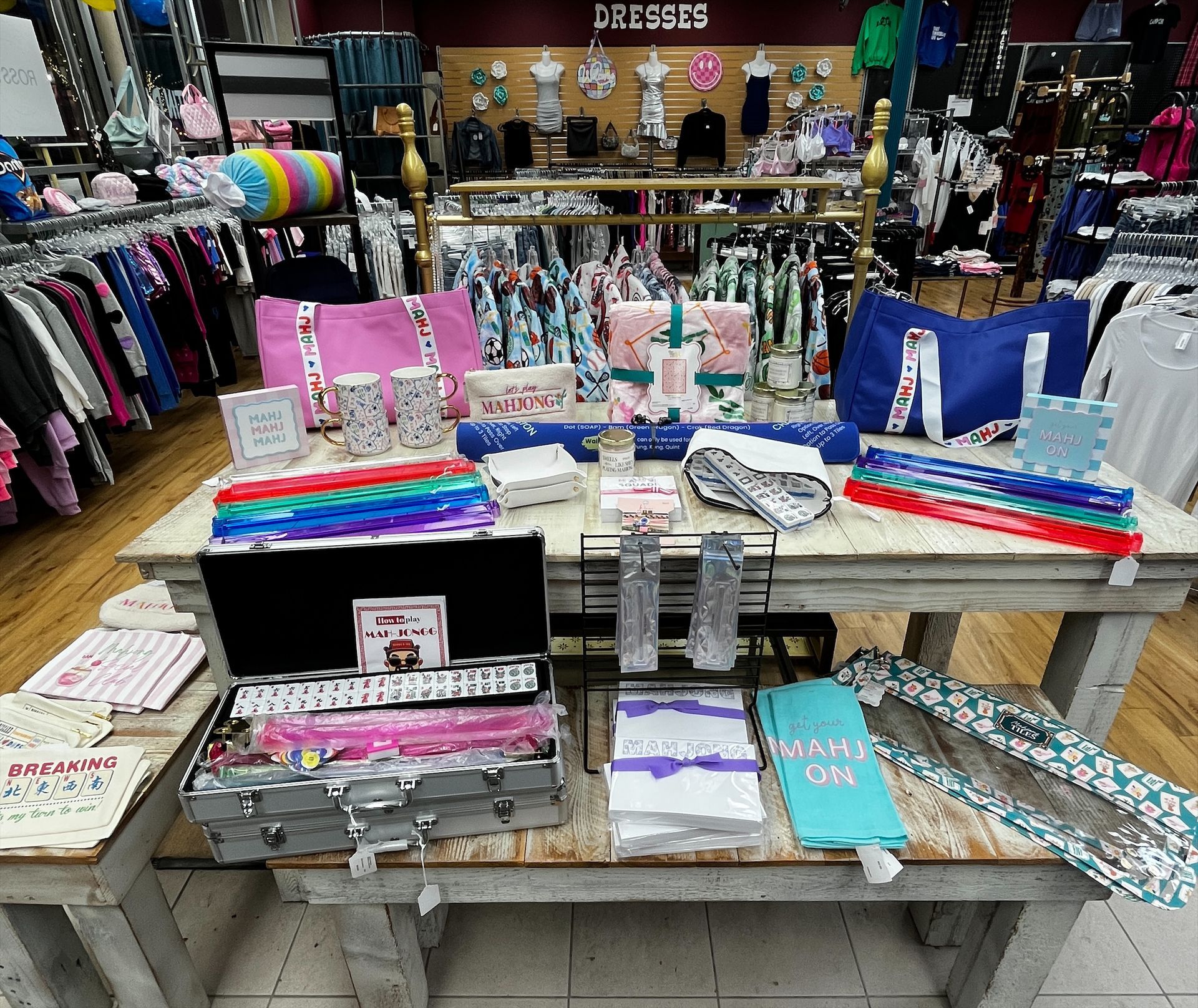
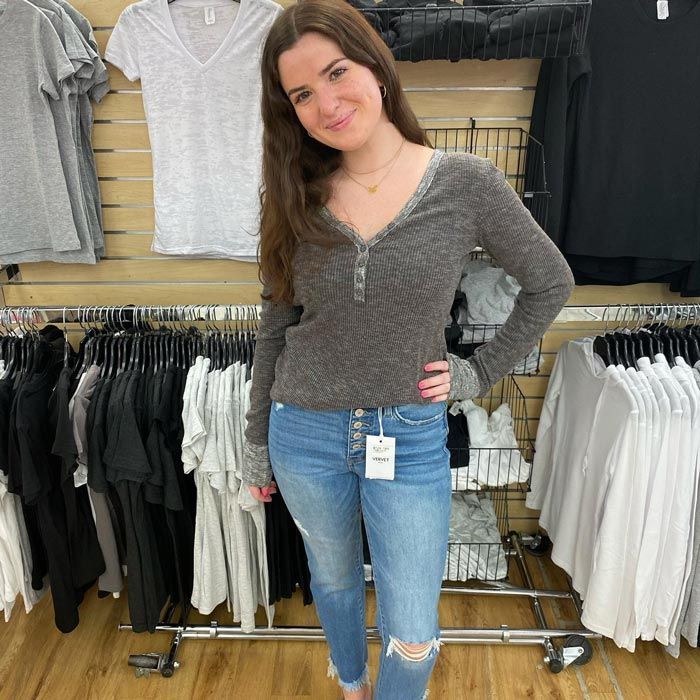
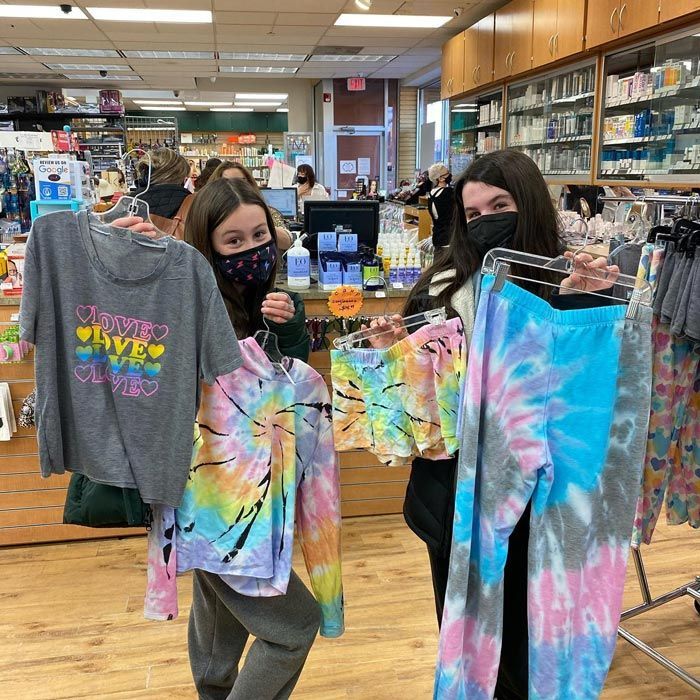
Ross Highland Park's selection of children and teen apparel includes practical, comfortable pieces suited to active wear that hold up well to the conditions of camp life without requiring careful handling.
Footwear for Camp
Camp activities typically require multiple types of footwear. Closed-toe shoes or sneakers for hiking, sports, and general activities are essential. Sandals or flip-flops for the shower and pool areas. Water shoes for lake or river activities if the camp programme involves them. All footwear going to camp should be labelled and should fit comfortably without requiring a breaking-in period before departure.
Sending a child to camp in new shoes that have not yet been worn is a reliable way to create blisters. Break in any new footwear at least two weeks before the session starts. An extra pair of sneakers is worth including for sessions longer than a week, because one pair can become wet or heavily soiled during activities.
Bedding and Sleepwear
Most overnight camps provide a cot or bunk with a basic mattress. Campers typically bring their own sleeping bag, pillow, and a fitted sheet if the camp specifies one. A sleeping bag rated to 40 to 50 degrees Fahrenheit suits most summer camp conditions in the US, where nights can be cooler than expected even in warm regions.
A small pillow, either a travel pillow or a standard pillow in a pillowcase, and a stuffed animal or comfort item for younger campers rounds out the sleep kit. Some children sleep better with a familiar blanket from home, which is worth including if space allows. Camp cabins are not heated to home comfort levels, and a child who cannot sleep is not going to enjoy camp regardless of how good the programming is.
Personal Care and Hygiene
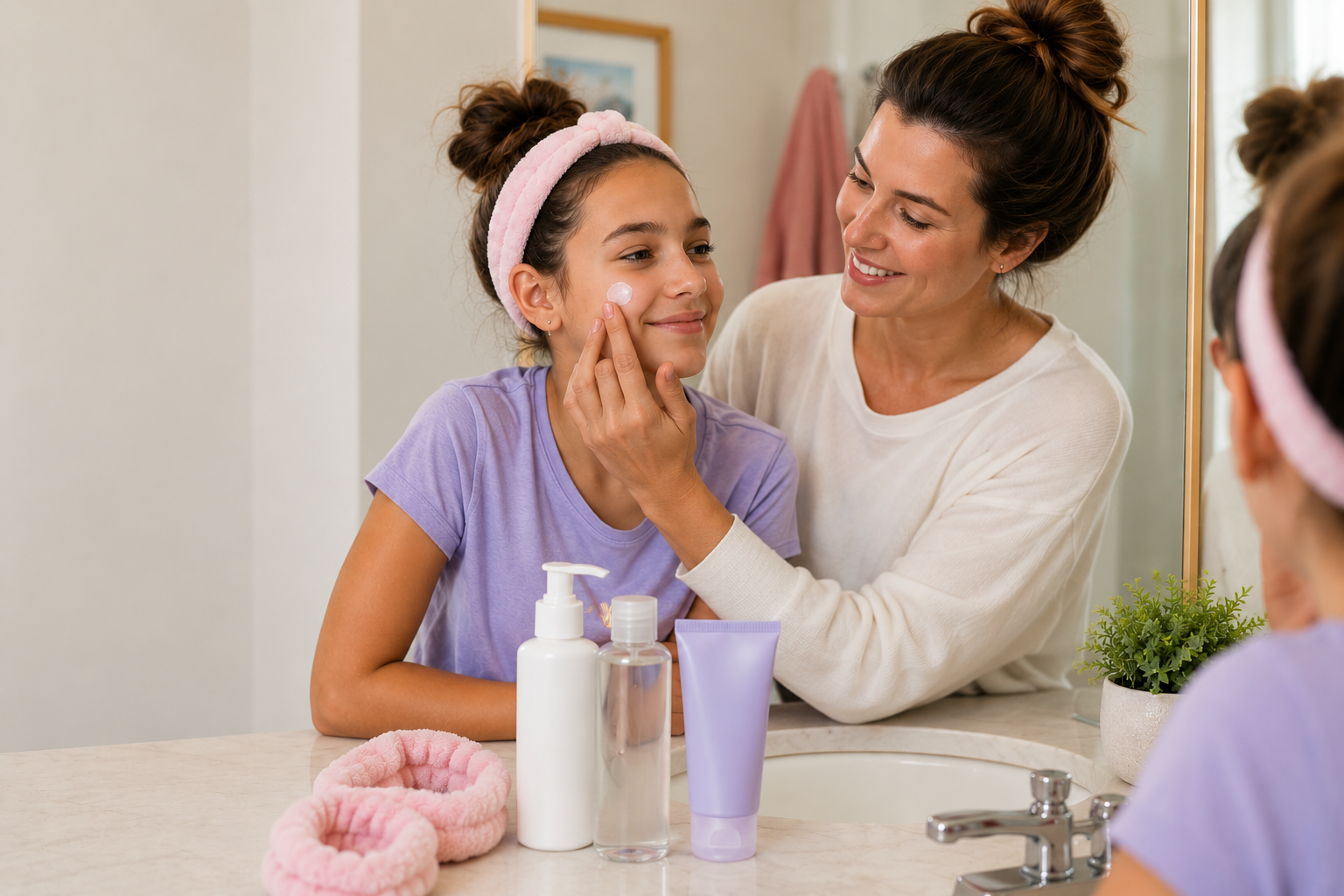
The personal care category is where camp packing most often underestimates need. Shampoo, conditioner, body wash, toothbrush, toothpaste, deodorant for older children, a hairbrush or comb, hair ties if needed, and a shower caddy to carry everything to the bathroom block are all essential. Sunscreen and insect repellent should be in sufficient quantity for the session length and should be in the child's cabin bag rather than checked baggage so they are accessible daily.
Pack personal care items in a waterproof or easily wipeable bag. Shampoo bottles that open during transit in a duffel bag create problems that no one needs. Travel-size items reduce weight and take up less space, but for sessions longer than two weeks, full-size versions make more practical sense than trying to resupply with travel sizes.
Camp Gear Essentials
Beyond clothing and personal care, some items are genuinely camp-specific and worth having in good quality. Camp gear essentials include a durable water bottle that can be refilled throughout the day, a headlamp or flashlight for evening activities and latrine trips in the dark, a small daypack for hikes and excursions, a rain jacket that packs small, and sturdy sunglasses.
A labelled mesh laundry bag makes keeping dirty clothes separate from clean ones much easier in a small bunk space. A small fan can be a quality-of-life upgrade for camp cabins that are not air-conditioned and that can get warm in high summer. These comfort items are not on every camp packing list but consistently show up as things campers are glad they brought.
What Not to Pack
Most camps have explicit prohibited items lists, and it is worth reading them carefully. Common prohibitions include electronics including phones and tablets, expensive jewellery, large amounts of cash, food that could attract wildlife, and anything that could be dangerous in a shared living environment. Sending a child with expensive items that could be lost or damaged creates stress for both the child and the parents.
The comfort item principle is useful here: if the child could not replace or recover from losing something, it should not go to camp. Camp is an environment where things get wet, muddy, mixed up with other people's belongings, and occasionally simply lost. Everything that goes should be something that losing would be an inconvenience rather than a crisis.
Labelling Everything
Every single item that goes to camp should be labelled with the child's name. Every sock. Every piece of underwear. Every towel. Every item of clothing. A permanent marker works for most fabrics. Iron-on or stick-on labels are worth the investment for items that will go through laundry frequently. The labour of labelling before departure is far less than the labour of replacing unlabelled items that have been lost.
For children whose camp gear is being assembled for the first time, a gift card from Ross Highland Park allows them to choose the pieces that suit their personal taste while staying within the practical categories that camp requires.
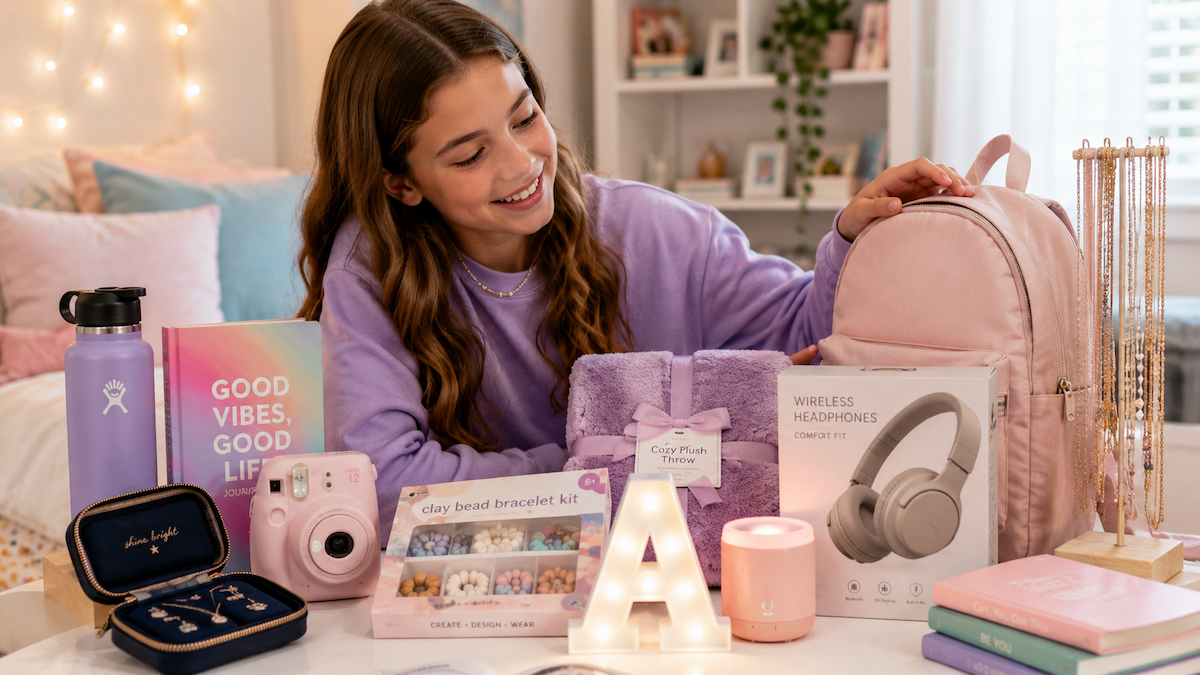
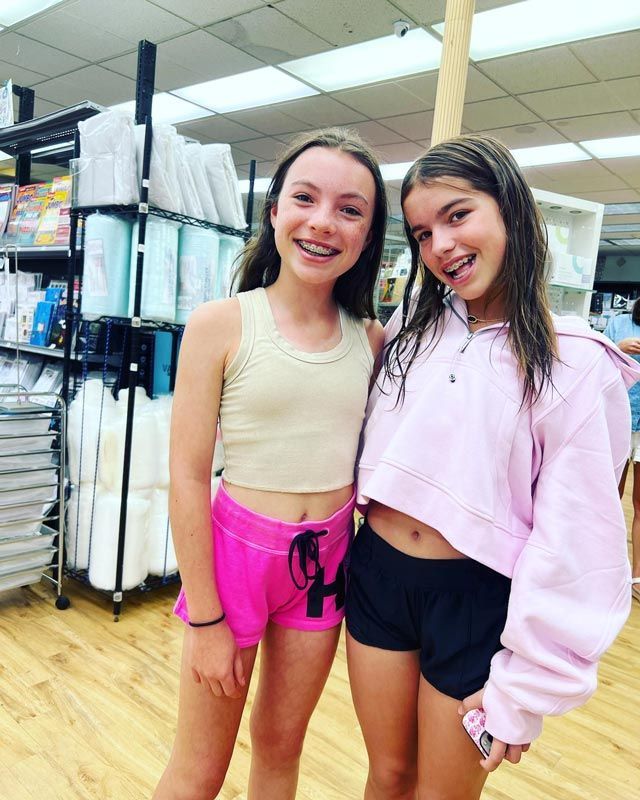
A well-chosen selection of accessories for camp includes practical items like scrunchies, hair clips, and simple jewellery that can be worn at camp without concern about loss or damage.
Frequently Asked Questions
How many pairs of socks and underwear should go to camp?
For a one-week session, eight to ten pairs of each provides a comfortable buffer for activities that get items wet or muddy. For two-week sessions, ten to twelve pairs. Socks and underwear are the items most commonly found insufficient mid-session, so erring toward more is sensible.
Should children pack their own bags for camp?
Older children and teens benefit from packing their own bags, with a parent reviewing the checklist together. Children who pack their own bags know where everything is and are better able to manage their belongings independently during the session. For younger campers, parent-packed bags with the child present and involved works better.
What is the best type of bag for overnight camp?
A large duffel bag is the most practical for most overnight camps because it compresses when empty, is easier to store under a bunk than a hard trunk, and is manageable for a child to carry. Hard-sided trunks are popular for sleepaway camp with long sessions because they stay organised and keep belongings dry, but they require more storage space.
What should go in the child's carry-on or personal bag for the journey to camp?
Any medications, a snack, a water bottle, something to read or do during travel, and any important documents like health forms. The carry-on should contain anything the child needs immediately on arrival rather than having to unpack the main bag to find.
How should expensive items be handled for camp?
Unless camp specifically requires it, leave expensive items at home. A basic watch, inexpensive sunglasses, and a simple camera are appropriate if the child wants them. Phones, gaming devices, and expensive jewellery are better left behind unless the camp has secure storage facilities for them.
The Bottom Line
Summer camp packing is most successful when approached systematically by category, with everything labelled and appropriate for the conditions rather than precious or difficult to replace. A child who arrives with what they need and nothing that creates anxiety has the best foundation for a great camp experience.
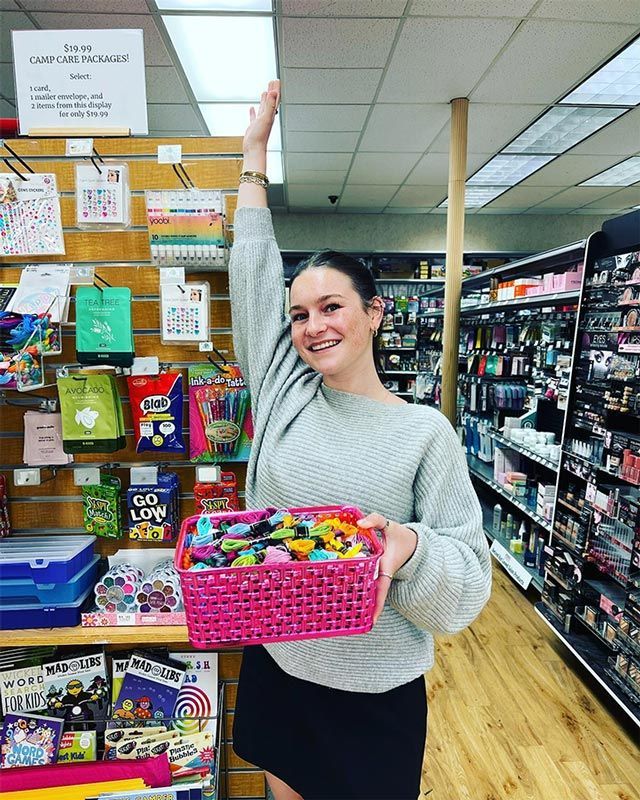
Ross Highland Park carries camp gear, children and teen apparel, and accessories that are practical, durable, and well-suited to summer camp life. Browse the collection or stop in to find everything needed for a great season.