What Are the Benefits of Using a Hair Mask Regularly?
Healthy hair requires more than just shampoo and conditioner. While daily hair care products help maintain cleanliness and basic hydration, they often cannot provide the deep nourishment that hair needs over time. Environmental exposure, heat styling, coloring treatments, and daily stress can weaken the hair structure and lead to dryness or breakage.
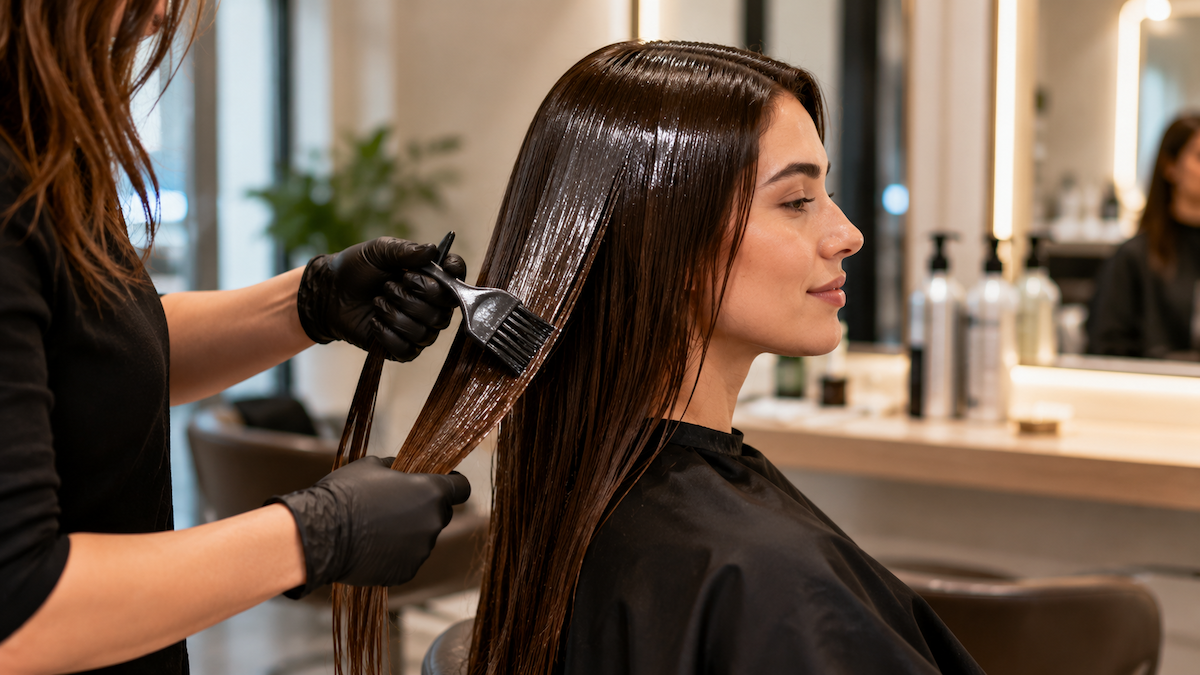
Hair masks are designed to provide intensive conditioning that penetrates deeper into the hair shaft. Unlike standard conditioners that work mainly on the surface, hair masks deliver concentrated nutrients that repair and strengthen the hair. Regular use of a hair mask can significantly improve hair texture, shine, and overall health.
Quick Answer: Using a hair mask regularly provides deep hydration, strengthens damaged hair, improves shine, reduces breakage, and restores softness. Weekly treatments can help maintain healthy hair and protect it from environmental damage.
Deep Hydration for Dry Hair
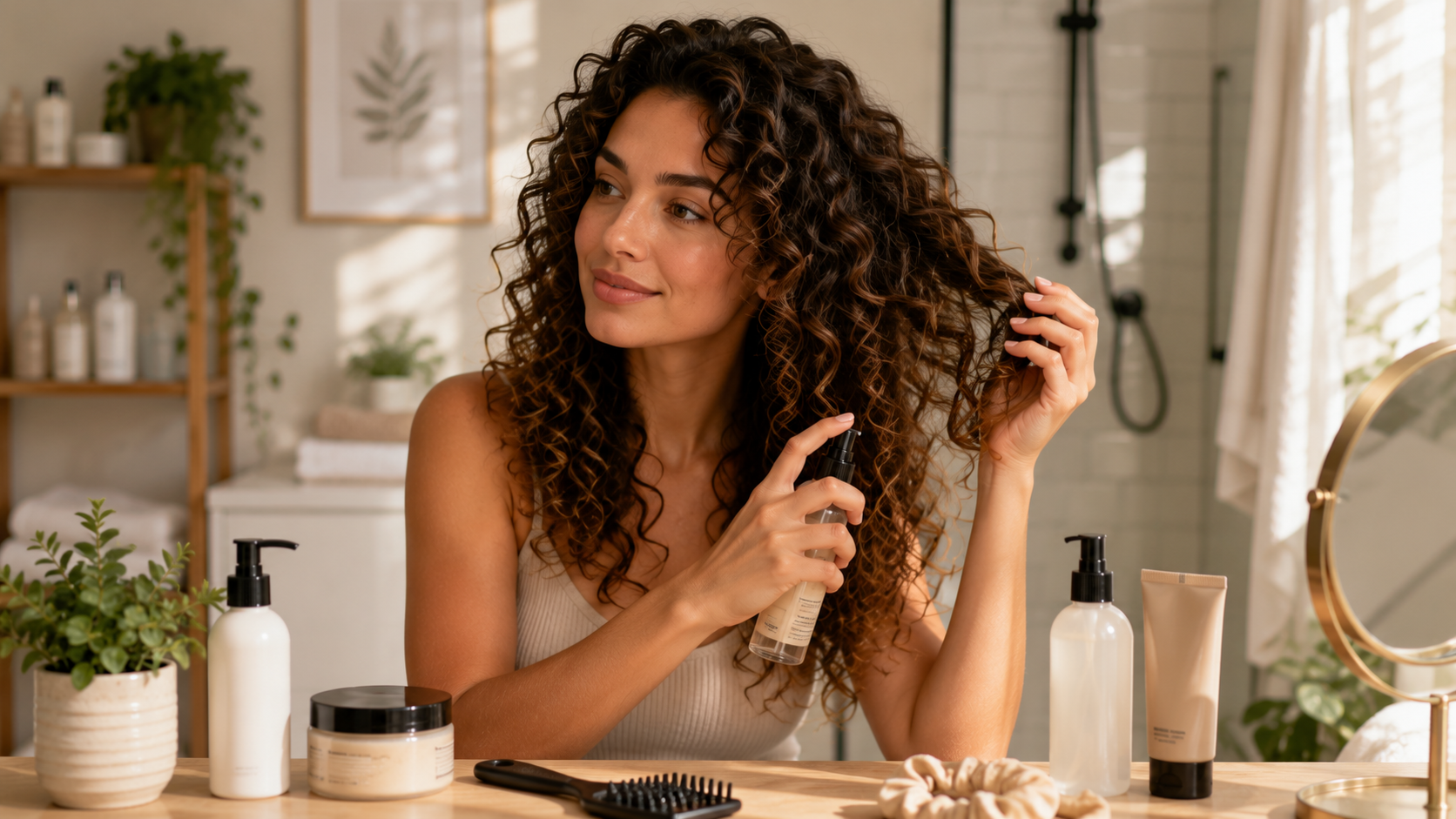
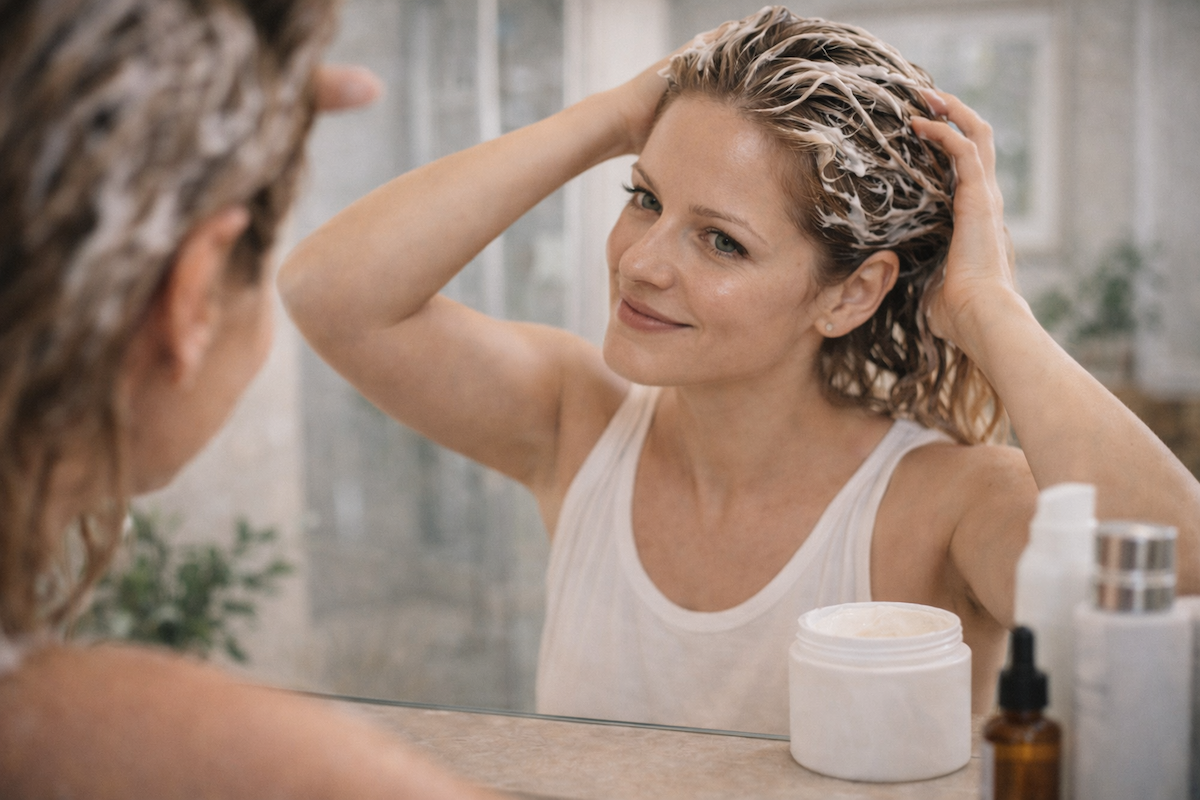
One of the most noticeable benefits of using a hair mask is improved hydration. Hair masks contain concentrated moisturizing ingredients that help restore moisture to dry or brittle hair.
Dry hair often results from heat styling, sun exposure, or harsh hair products. When moisture levels drop, the hair cuticle becomes rough and dull. A nourishing hair mask helps smooth the cuticle and restore softness.
Hydrating ingredients commonly found in hair masks include:
- Natural oils such as argan or coconut oil
- Shea butter
- Aloe vera
- Hyaluronic acid for moisture retention
These ingredients work together to replenish lost moisture and improve hair texture.
Strengthening Weak or Damaged Hair
Hair masks are especially beneficial for hair that has been damaged by coloring, bleaching, or heat styling. Damage often weakens the hair structure and leads to breakage.
Protein-based hair masks can help rebuild the hair shaft by filling in weak areas along the cuticle. This strengthens the strands and reduces the likelihood of split ends.
Over time, regular treatments help the hair regain strength and resilience.
Improving Shine and Smoothness
Dull hair is often the result of rough or lifted cuticles that scatter light rather than reflecting it. Hair masks smooth the cuticle layer, allowing hair to reflect light more evenly.
As the cuticle becomes smoother, the hair appears shinier and healthier. Many people notice an immediate improvement in shine after using a conditioning mask.
This effect is especially helpful for individuals with frizz-prone hair.
Reducing Frizz and Tangles
Frizz often occurs when hair lacks moisture or when the cuticle is raised due to humidity or damage. Hair masks help control frizz by sealing moisture into the hair and smoothing the outer layer.
Improved hydration also makes hair easier to detangle. When hair is properly conditioned, strands glide past each other more easily and reduce breakage during brushing.
Regular treatments can make daily styling significantly easier.
Supporting Long-Term Hair Health
Using a hair mask occasionally can provide temporary benefits, but regular treatments offer long-term improvements in hair health. Weekly or biweekly masks allow the hair to consistently receive the nutrients it needs to remain strong and hydrated.
Over time, consistent conditioning can:
- Improve elasticity
- Reduce breakage
- Enhance natural shine
- Strengthen damaged strands
These benefits contribute to healthier hair growth and better overall appearance.
Frequently Asked Questions
How often should I use a hair mask?
Most people benefit from using a hair mask once a week. However, individuals with very dry or damaged hair may use treatments more frequently depending on their hair care needs.
Can hair masks repair damaged hair?
Hair masks can improve the appearance and strength of damaged hair by providing hydration and protein support. While they cannot permanently repair split ends, they can reduce further damage.
Should I use a hair mask before or after conditioner?
Hair masks are usually used after shampooing and before conditioner. Some people replace their conditioner with a mask once or twice per week for deeper treatment.
Are hair masks suitable for all hair types?
Yes, hair masks are available for many different hair types including curly, straight, fine, and thick hair. Choosing a formula designed for your specific hair needs provides the best results.
Conclusion
Hair masks are an effective way to provide deep nourishment that regular conditioners may not deliver. By restoring moisture, strengthening the hair structure, and improving shine, these treatments can dramatically improve the health and appearance of hair over time.
For personalized hair care advice and high-quality beauty products, ROSS's in Highland Park offers expert recommendations to help customers maintain strong, vibrant hair.