Winter weather can change the texture and behavior of your hair quickly. Cold air, strong winds, and indoor heating all pull moisture out of your strands, making them feel rough, flat, or frizzy. Many people notice that their hair becomes harder to style, loses its shine, or falls flat within hours. These changes often become more noticeable after a week or two of harsh weather, especially during long cold spells.
A professional blowout can help restore smoothness and bounce when winter weather makes your hair difficult to manage. Timing the blowout correctly helps you get the longest lasting results, while also giving your hair the support it needs to stay healthy during the harshest part of the season.
Quick Answer: You should book a blowout after harsh winter weather when your hair starts feeling dry, frizzy, or unmanageable, or when it loses its usual shape and shine. Winter conditions remove moisture from the hair, so a professional blowout helps restore smoothness and adds lasting style. Booking after a cold snap, strong winds, or a week of indoor heating gives your hair the refresh it needs. A blowout also helps protect your strands from further winter damage.
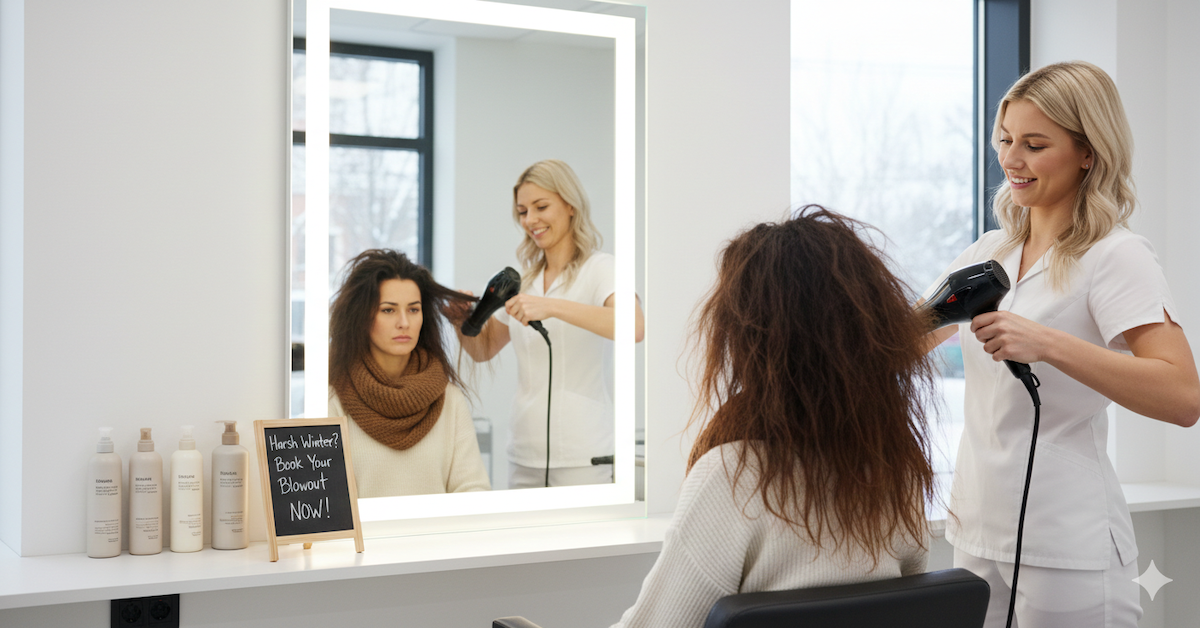
How Winter Weather Impacts Your Blowout Timing
Winter brings sudden shifts in temperature and humidity that affect your hair’s texture. After a few days of freezing wind, your hair may feel dry at the ends or frizzy near the roots. Indoor heating adds another layer of dryness, pulling moisture away from the hair and making it look dull.
These conditions influence when you should schedule your blowout. If your hair starts reacting to the weather by becoming rough or hard to control, that is usually the right time for a refresh. Waiting too long can make dryness worse, while scheduling at the first noticeable signs helps keep your hair smooth and manageable.
A blowout acts as a reset point during rough weather. It restores moisture, helps seal the cuticle, and makes styling easier again.
Signs It Is Time to Book a Blowout
One of the clearest signs that you need a blowout is when your hair stops behaving the way it normally does. Maybe it won’t hold its curl, or the ends feel brittle even after using conditioner. Winter air often creates static, making hair difficult to keep in place.
You may also notice increased tangles, especially at the back of your head. Harsh weather lifts the cuticle, which leads to friction and knots. A blowout smooths these lifted areas and gives the hair a polished finish.
Another sign is when your hair looks limp or weighed down. Winter dryness can make hair lose volume because the strands stick together. A blowout adds lift and movement, restoring body and shape. If any of these changes appear, it is usually the right time to schedule your appointment.
Why Blowouts Help Restore Winter Damaged Hair
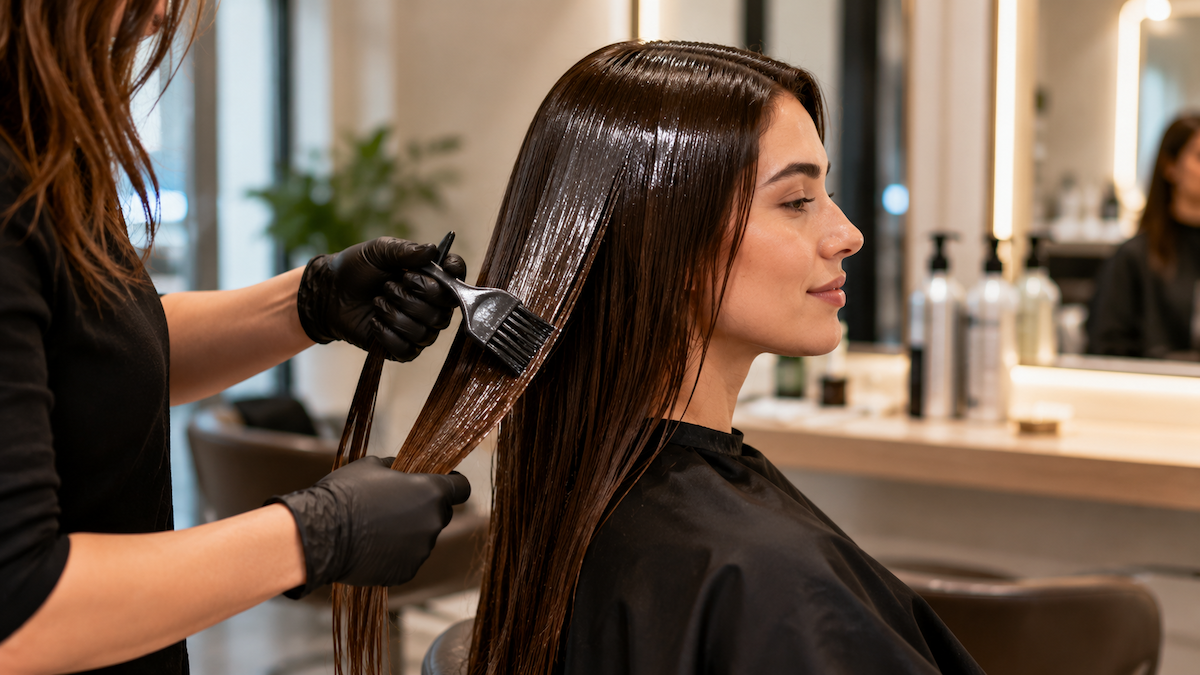
A professional blowout does more than style your hair. It helps repair the appearance of winter damage by smoothing the cuticle and adding moisture back into the strands. The products used during the blowout help condition the hair and create a protective layer that reduces frizz.
The heat styling process also helps seal in moisture. When performed by a stylist, the blowout is controlled and gentle, which helps the hair regain softness without unnecessary stress. By smoothing each section, the stylist removes tangles and leaves the hair feeling fresh again. These benefits make blowouts especially useful during winter months when your hair needs more care.
How Often You Should Schedule Blowouts in Winter
Many people find that winter creates more hair issues than any other season. Scheduling blowouts every one to two weeks during the coldest months helps maintain moisture and manageability. This varies depending on your hair type, weather conditions, and how your hair reacts to dryness.
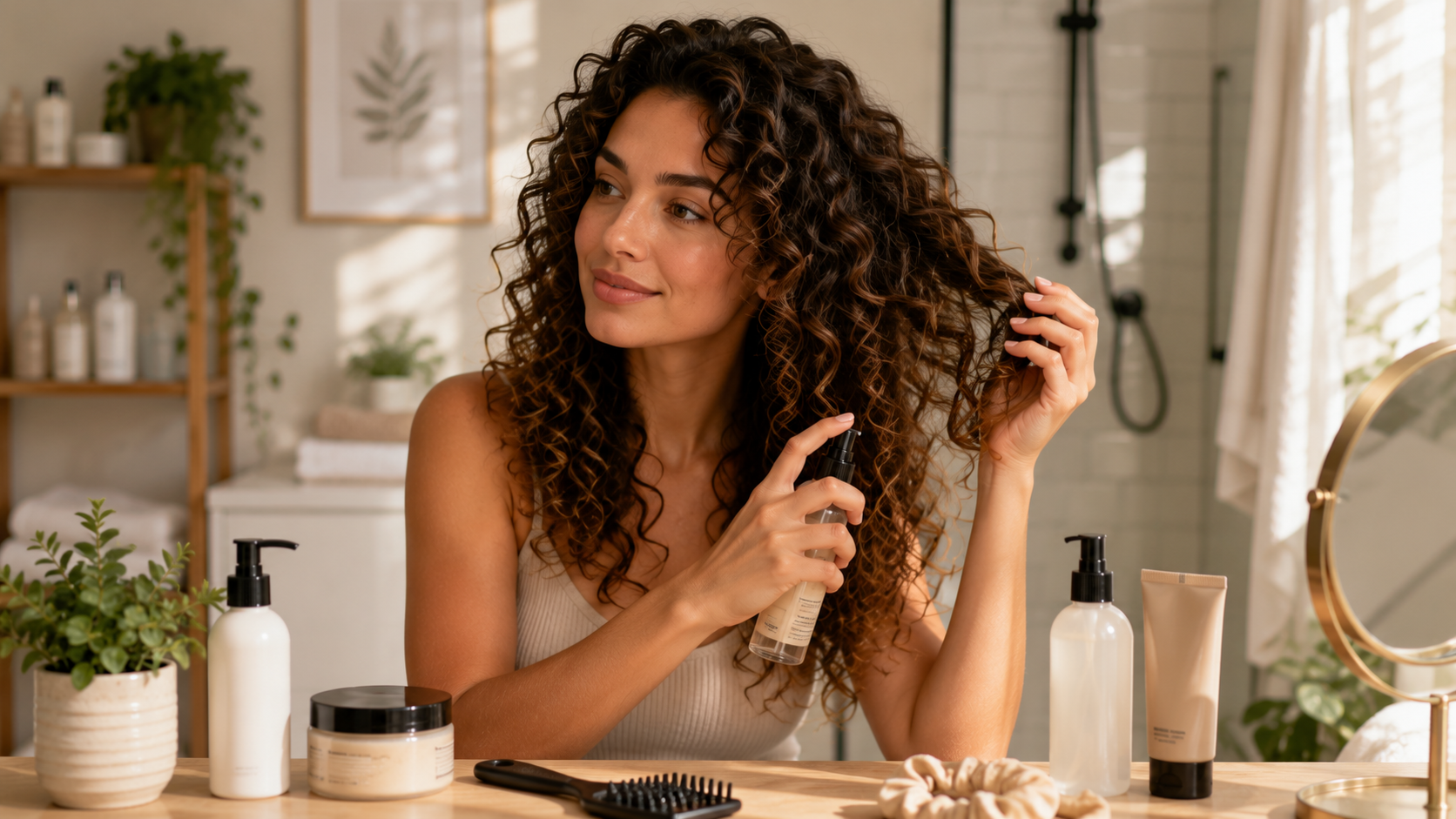
If you have fine hair, you may need a blowout more frequently because winter air breaks down volume quickly. People with thick or curly hair may need blowouts to help reduce frizz and support smoother styling routines.
Pay attention to your hair’s texture and behavior after harsh weather. If your hair rebounds quickly with minimal effort, you can space out appointments. If it becomes unmanageable after a few days, more frequent blowouts offer better support.
Why Your Hair Benefits From a Blowout After a Cold Snap
A sudden cold snap can remove moisture from your hair almost instantly. Even a single day of strong wind or freezing temperatures can create roughness. Booking a blowout right after harsh conditions helps stop dryness from getting worse.
The blowout acts as a conditioning and smoothing treatment at a time when your hair needs it most. It helps close the cuticle, improve hydration, and reduce breakage. Many clients notice that their hair feels stronger and more polished after scheduling at the right moment.
Timing your blowout shortly after a weather shift gives your hair the reset it needs to stay healthy.
Preparing Your Hair Before the Appointment
A gentle wash and conditioning session the day before your blowout helps create the best results. This removes buildup that winter often leaves on the hair. Avoid heavy oils or deep conditioners immediately before the appointment, as these can weigh down the strands.
During the winter months, hydration is especially important. Drinking water and using leave in conditioners between appointments help your hair stay soft. Arriving with clean, dry hair gives your stylist the best starting point for a smooth finish.
Conclusion
Harsh winter weather can make your hair dry, dull, and difficult to style. Scheduling a blowout when your hair starts acting differently helps restore moisture, smoothness, and shape. Winter dryness affects everyone differently, but most people benefit from booking a blowout after cold snaps, windy days, or long exposure to indoor heating. With the right timing, your hair stays healthy, polished, and manageable through the entire season.
ROSS's in Highland Park offers professional blowouts that help restore winter stressed hair and bring back softness and shine. Their experienced stylists refresh your hair with treatments designed to hydrate, smooth, and protect during the coldest months.