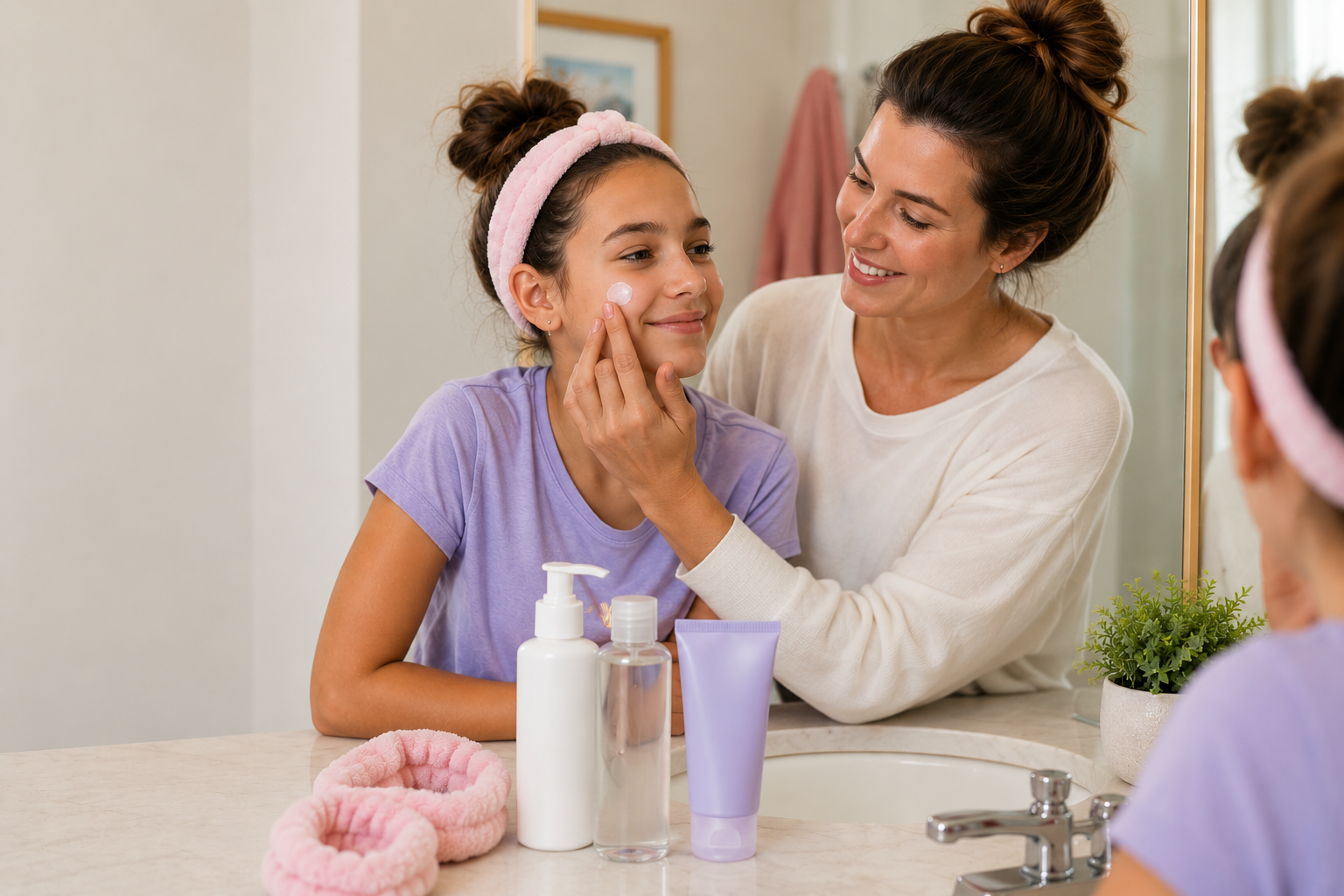
Healthy, glowing skin is something many people aim for, but achieving it consistently requires more than just occasional skincare treatments. Hydration plays a major role in maintaining the skin’s natural glow, smooth texture, and balanced appearance. When the skin lacks moisture, it can appear dull, rough, and uneven, which often leads people to search for solutions that restore hydration and radiance.
Many factors influence skin hydration, including climate, lifestyle habits, diet, and skincare routines. Exposure to dry air, pollution, and harsh skincare products can weaken the skin’s natural barrier and reduce moisture levels. As a result, maintaining hydrated skin often requires a combination of proper skincare products, healthy habits, and consistent routines.
Quick Answer: The secret to hydrated and glowing skin is maintaining moisture balance through gentle cleansing, consistent hydration with serums and moisturizers, daily sun protection, and healthy lifestyle habits that support skin health from within.

Why Skin Hydration Matters
Hydrated skin functions better because the outer layer of the skin acts as a protective barrier. When the skin barrier is healthy, it retains moisture more effectively and protects against environmental stressors.
Proper hydration also improves the skin’s appearance. Well hydrated skin tends to look smoother, more even, and naturally radiant. Fine lines and dry patches become less noticeable when the skin has sufficient moisture.
Additionally, hydrated skin absorbs skincare products more effectively. This allows active ingredients such as antioxidants and vitamins to work more efficiently.
Building a Hydrating Skincare Routine
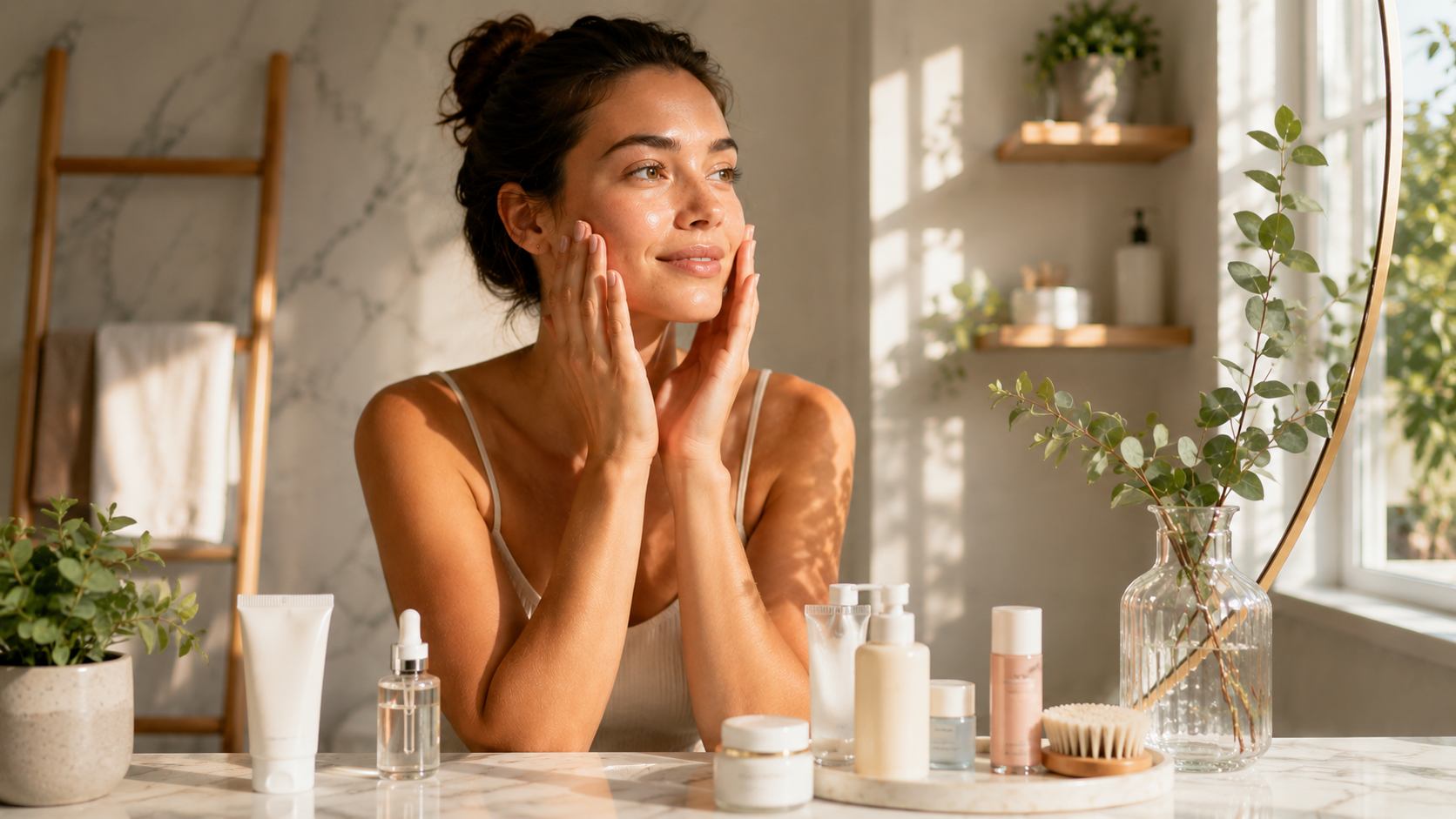
Creating a skincare routine that focuses on hydration involves selecting products that support the skin’s moisture barrier. Instead of using overly harsh products, it is important to choose formulas designed to nourish and protect the skin.
A balanced routine may include:
- Gentle cleanser that does not strip natural oils
- Hydrating toner or essence
- Moisture boosting serum with ingredients like hyaluronic acid
- Nourishing moisturizer to seal in hydration
- Daily sunscreen for protection
Consistency is key when following this type of routine. Regular use of hydrating products allows the skin to maintain a stable moisture balance.
Key Ingredients That Support Hydrated Skin
Certain skincare ingredients are particularly effective at improving hydration and enhancing the skin’s glow.
Hyaluronic acid is known for its ability to attract and retain moisture. This ingredient can hold many times its weight in water, making it highly effective for boosting hydration.
Glycerin is another humectant that draws moisture into the skin and helps maintain softness.
Ceramides support the skin barrier by preventing moisture loss. They are especially helpful for individuals with dry or sensitive skin.
Vitamin C can also contribute to glowing skin by brightening the complexion and supporting healthy collagen production.
Combining these ingredients in a routine can significantly improve the skin’s overall appearance.
The Role of Lifestyle in Skin Hydration
Skincare products are only one part of maintaining hydrated skin. Lifestyle habits also influence how the skin looks and feels.
Drinking enough water helps maintain overall hydration levels throughout the body. While water alone will not transform the skin instantly, it supports healthy skin function.
Sleep also plays an important role. During sleep, the body repairs and regenerates skin cells, which contributes to a healthier complexion.
Diet can influence skin health as well. Foods rich in healthy fats, vitamins, and antioxidants support the skin’s natural barrier.
Protecting Skin from Moisture Loss
Environmental factors can cause the skin to lose moisture more quickly. Exposure to cold weather, strong winds, and dry indoor air can all contribute to dehydration.
Using a richer moisturizer during colder months helps protect the skin from dryness. Humidifiers can also add moisture to indoor air, which benefits the skin.
Daily sunscreen use is another important step because UV exposure can weaken the skin barrier and reduce hydration over time.
Frequently Asked Questions
How can I tell if my skin is dehydrated?
Dehydrated skin often appears dull, tight, or rough. Fine lines may become more visible, and the skin may feel uncomfortable after cleansing. Using hydrating products and drinking enough water can help restore moisture balance.
Is oily skin still capable of being dehydrated?
Yes, oily skin can still lack water even if it produces excess oil. In fact, dehydrated skin sometimes produces more oil to compensate for moisture loss.
How long does it take to improve skin hydration?
Visible improvements can often appear within a few days to a few weeks depending on the skincare routine and the condition of the skin barrier.
Do I need both a serum and moisturizer?
Yes, serums typically provide concentrated hydration while moisturizers seal that hydration into the skin. Using both products together often provides the best results.
Conclusion
Achieving hydrated and glowing skin involves more than simply applying a single product. It requires a consistent routine that supports the skin’s moisture barrier while protecting it from environmental damage. By using gentle skincare products, incorporating hydrating ingredients, and maintaining healthy lifestyle habits, individuals can significantly improve the appearance and comfort of their skin.
For those looking for personalized skincare advice and high quality beauty products, ROSS's in Highland Park offers expert guidance to help customers build routines that support long lasting skin health.