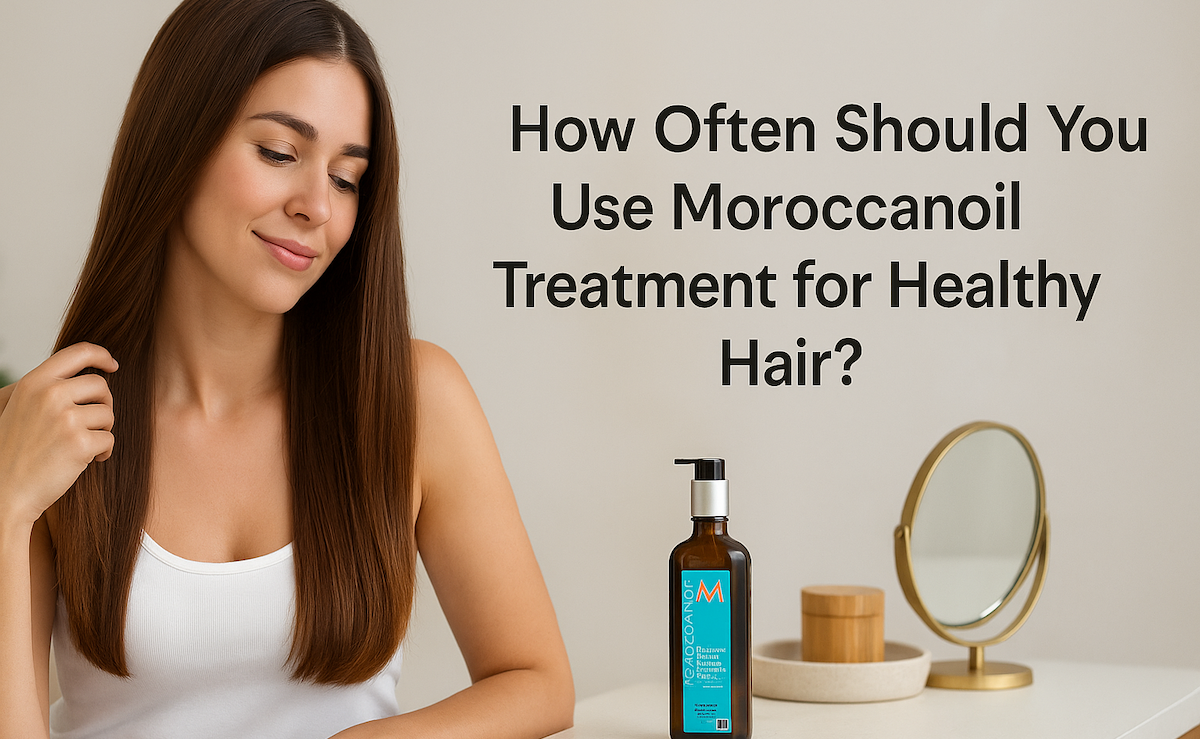
How Often Should You Use Moroccanoil Treatment for Healthy Hair?
Healthy hair is not just about the shampoo you choose. The right leave-in oil can make a big difference in shine, softness, and frizz control. Moroccanoil Treatment is a popular argan oil formula that smooths the cuticle, adds slip, and protects against daily stress. The key is using the right amount at the right frequency for your hair type. In this guide you will learn what Moroccanoil Treatment does, how often to use it for different hair needs, and the best way to apply it for consistent results.
What Is Moroccanoil Treatment?
Moroccanoil Treatment is a lightweight finishing and conditioning oil built around argan oil. Argan oil is rich in fatty acids and vitamin E, which help soften the hair shaft, improve shine, and reduce frizz. The formula coats and conditions the cuticle, which can make hair look smoother and feel more manageable. It can be used on damp hair after washing or on dry hair to add polish between washes.
How Does Moroccanoil Treatment Work on Hair?
Moroccanoil Treatment creates a thin, even layer over the hair fiber. This helps seal lifted cuticles so light reflects more evenly, which is why hair looks glossier after use. It also adds slip, so brushes glide with less snagging. Over time, regular use can reduce the look of split ends and tame static. Because it is a leave-in, you get lasting benefits without an extra rinse step.
How Often Should You Use Moroccanoil for Different Hair Types?
There is no single schedule that fits everyone. Use these ranges as a starting point, then adjust based on how your hair looks and feels.
Fine or easily weighed-down hair: Start with one to two pea-size drops one to three times per week. Focus on mid-lengths and ends only. If your hair feels flat or greasy, cut back to once weekly or use a smaller amount.
Medium hair with normal porosity: Two to three times per week is a good baseline. Apply a small coin-size amount to damp hair after washing, then add a tiny touch to dry ends on non-wash days if needed.
Thick or coarse hair: Use after every wash and as a light touch-up between washes. Coarse strands often need more moisture to fight frizz, so two to four pumps may be appropriate depending on length. Start lower and increase only if hair still feels rough.
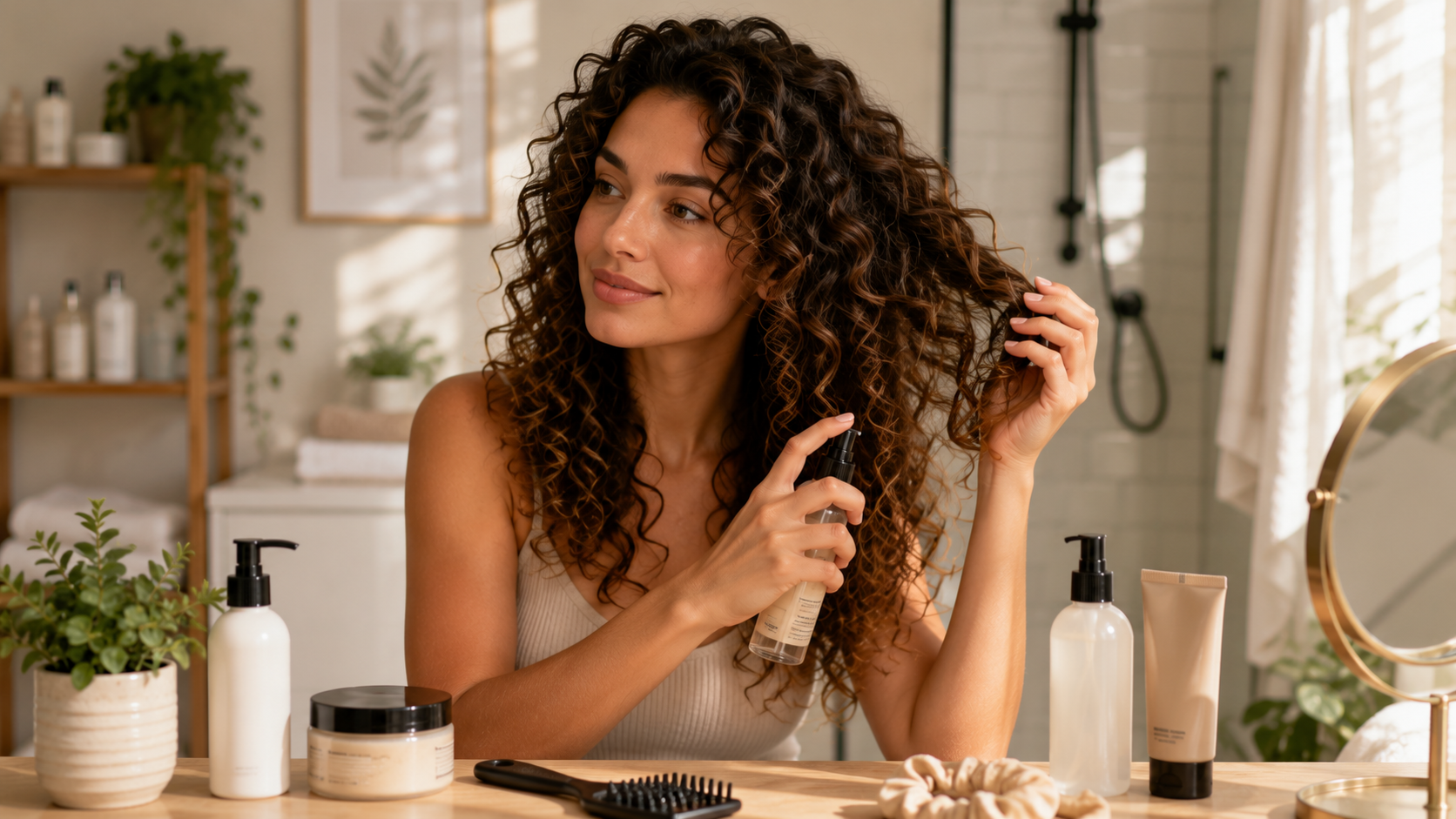
Curly and wavy hair: Apply after each wash as part of your styling routine. Rake a small amount through damp curls, scrunch, and let air dry or diffuse. Add a drop on dry curls to break a cast or refresh ends without causing buildup.
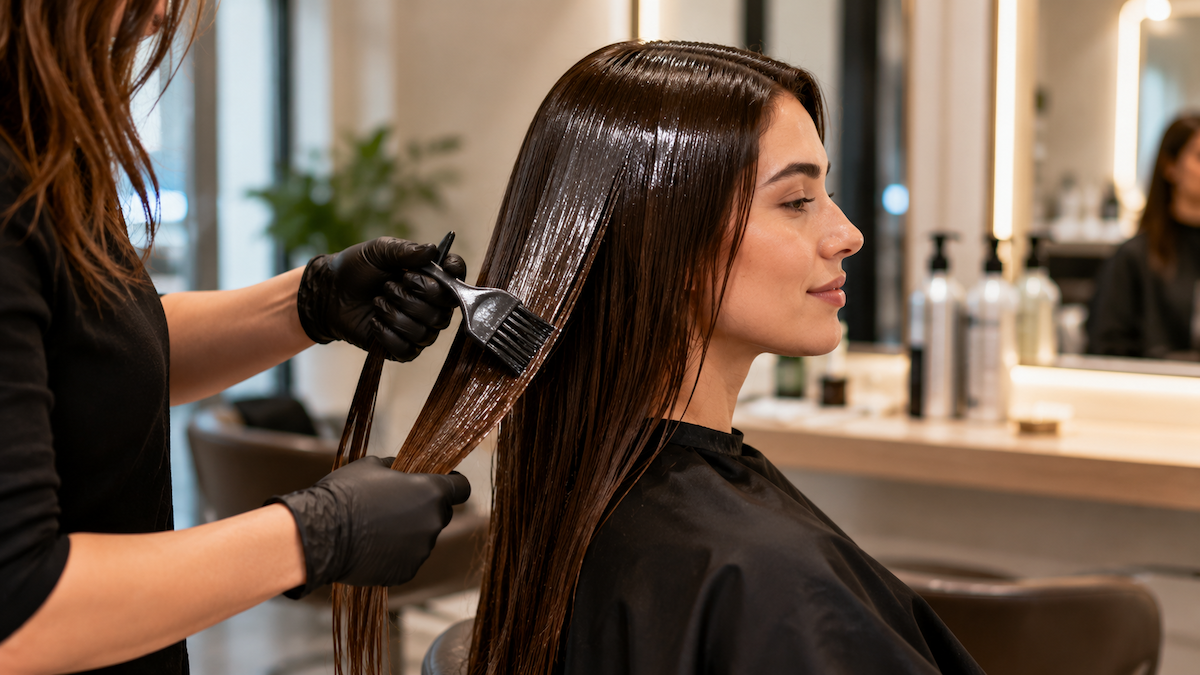
Color-treated or chemically processed hair: Use after every wash to boost softness and help protect the cuticle. If you heat style often, a tiny amount before blow drying can improve slip and reduce snagging.
Can You Use Moroccanoil Daily?
Daily use is fine for many thick, coarse, or very dry hair types, as long as the amount is small and evenly spread. If your hair is fine or oil-prone, daily use can lead to a heavy feel and faster buildup on the fiber. A quick test helps. If hair looks glossy and moves well, you are using the right amount. If it feels flat, sticky, or needs more frequent washing, reduce the frequency or amount.
Seasonal and Environmental Considerations
Hair often needs more moisture in winter when indoor heating and cold winds lift the cuticle. In a Midwest climate like Highland Park and the North Shore, stepping up Moroccanoil Treatment to every wash day during the colder months can keep frizz under control. In humid summers, use a smaller amount or switch to targeted application on the outer layer to fight halo frizz without weighing down the roots.
How to Apply Moroccanoil Treatment Correctly
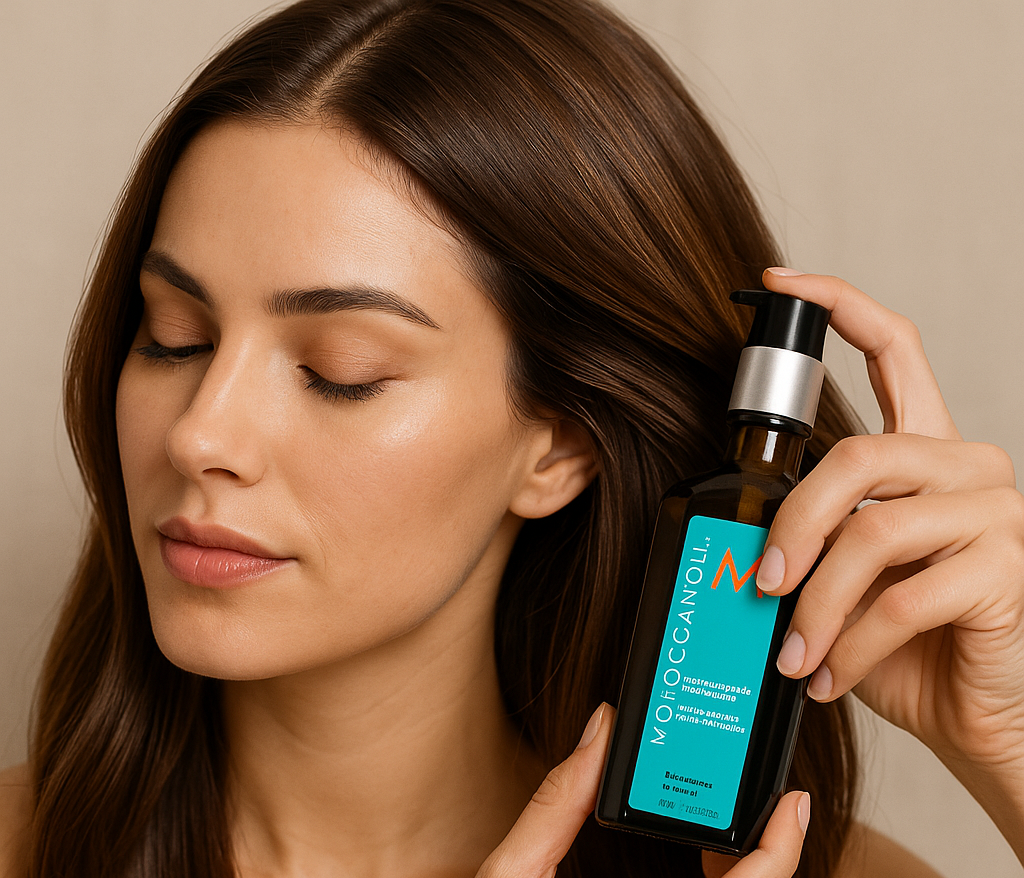
Start with clean, towel-dried hair. Warm a small amount between your palms to thin the oil for even spread. Work from the ears down, focusing on mid-lengths and ends. Comb through to distribute. If you plan to blow dry, apply your heat protectant after the oil unless your protectant is oil-based. For dry hair touch-ups, smooth a tiny amount over frizzy areas only.
Use the right dose for your length. Short hair often needs a pea-size drop. Shoulder-length hair may need a small coin-size amount. Long or very thick hair can use one to two pumps, split into layers so each section gets an even coat. Always start with less and add only if your hair still looks dry.
Combining Moroccanoil with Other Hair Products
Moroccanoil Treatment plays well with many routines, but layering order matters. On damp hair, use leave-in conditioner first if you need it for detangling, then Moroccanoil Treatment, then cream stylers or heat protectants. On dry hair, use finishing sprays last so the oil does not prevent them from setting. If you use a silicone-free routine, test a small section first and clarify as needed to avoid buildup.
Signs You Might Be Overusing It
Watch for these clues. Hair looks limp soon after styling. You need to shampoo more often than usual. Your roots feel coated even when you keep oil away from the scalp. If any of these show up, reduce the amount, cut frequency by half, or use a clarifying shampoo once every two to four weeks to reset. Then resume with a lighter hand.
Extra Ways to Use Moroccanoil Treatment
Pre-shampoo softening: Apply a small amount to dry ends 20 to 30 minutes before washing to reduce moisture loss during shampooing. This is helpful in winter or after sun exposure.
Overnight rescue: Smooth a few drops on the last two inches of hair before bed. Use a silk pillowcase to reduce friction. Shampoo or lightly rinse in the morning if your hair type needs it.
Mix-in gloss: Blend a drop with your curl cream or smoothing cream on damp hair for extra slip and shine without a separate step.
Conclusion
Use Moroccanoil Treatment as often as your hair needs moisture and control, not on a fixed schedule. Fine hair may thrive on one to three light applications per week, while thick, coarse, curly, or color-treated hair often benefits from use after every wash and tiny touch-ups between washes. Adjust seasonally, apply from mid-lengths to ends, and start with less before adding more. With the right amount and routine, you will get lasting shine, smoother texture, and easier styling without buildup.
If you want personal guidance on the best routine for your hair type, ROSS’s in Highland Park can help you dial in the right frequency, dosage, and product pairing. Our team can match Moroccanoil Treatment to your cut, your climate, and your styling habits so you get healthy, glossy results that feel light and natural.