How Do You Protect Your Hair from Heat Styling Damage During Winter?
Cold weather and heat styling are a tough combination for your hair. While winter air is already dry and harsh, adding heat from styling tools can make things worse, leading to breakage, split ends, and a dull appearance. If you love using a blow dryer, straightener, or curling iron, it’s important to take extra steps to protect your hair during the colder months. A few adjustments to your routine can make a big difference in keeping your hair healthy and hydrated all season long.
Understanding the Impact of Winter and Heat Styling on Hair
Winter weather takes a toll on hair in multiple ways. Cold outdoor air strips away moisture, leaving strands feeling rough and brittle. At the same time, indoor heating adds to the problem by creating a dry environment that pulls even more moisture from your hair. This combination weakens the hair shaft, making it more prone to breakage.
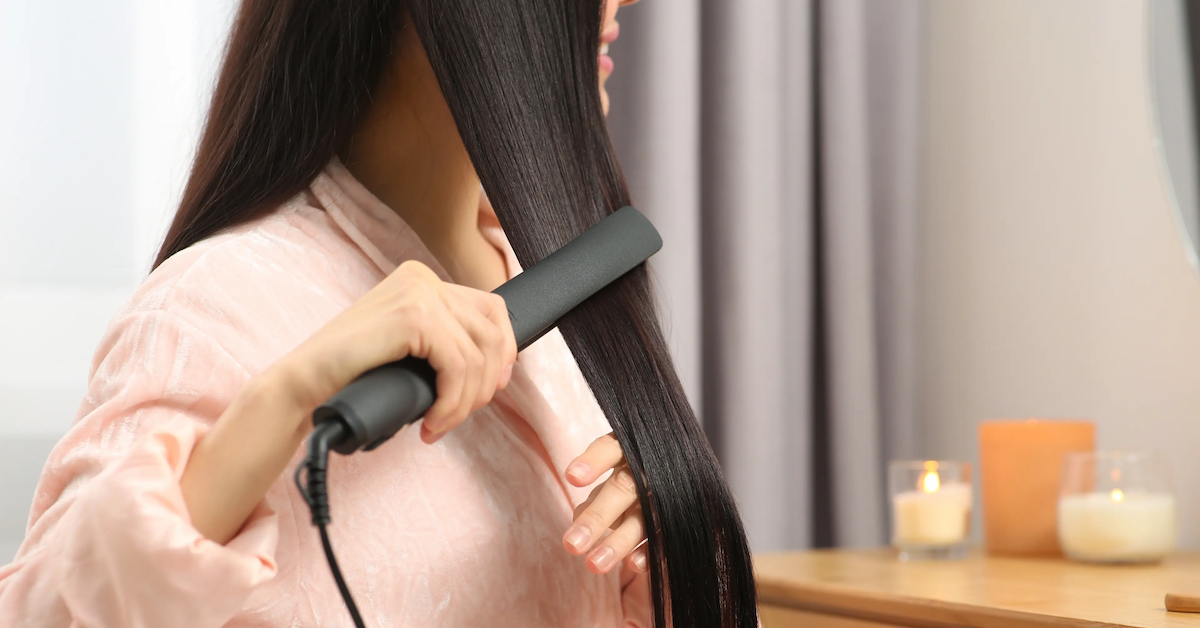
Adding heat styling into the mix only increases the damage. High temperatures break down the hair’s natural protective barrier, making it harder to retain moisture. This leads to dryness, frizz, and split ends. If you’re not careful, excessive styling can cause long-term thinning and weakened hair structure. The good news is that with the right approach, you can still enjoy heat styling while keeping your hair in great shape.
Choosing the Right Heat Protectant Products
A heat protectant is one of the most important steps in preventing heat damage. These sprays, creams, and serums create a barrier between your hair and the high temperatures of styling tools, reducing moisture loss and minimizing breakage. When choosing a heat protectant, look for ingredients like silicones (such as dimethicone), which coat the hair to lock in hydration, as well as keratin and natural oils that strengthen and nourish.
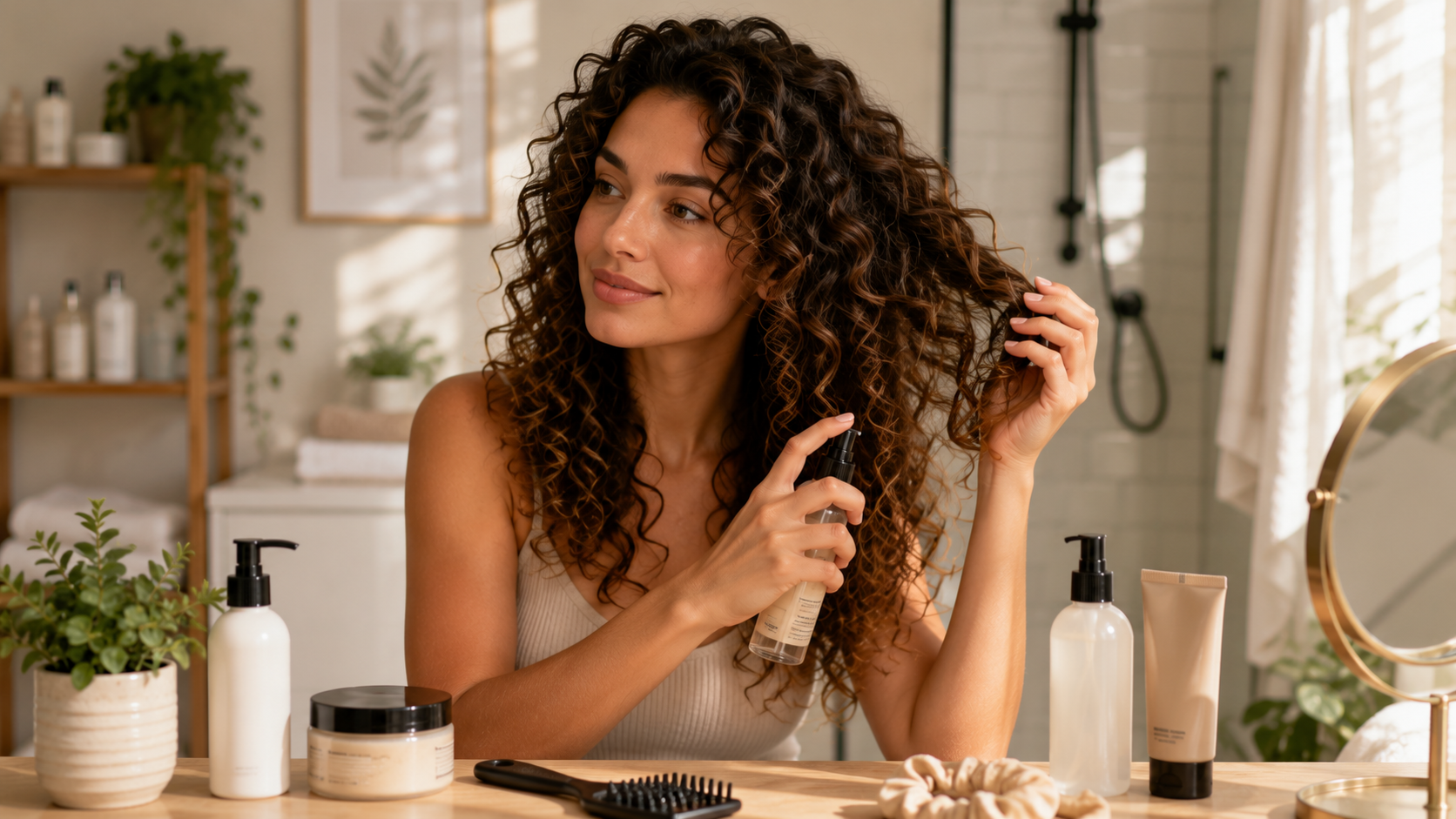
Applying a heat protectant evenly from roots to ends before using any hot tools is essential. A lightweight formula works well for fine hair, while thicker creams provide extra protection for coarse or curly textures. Even if you’re in a rush, skipping this step isn’t worth the risk—your hair will thank you later.
Lowering Heat Settings for Healthier Styling
Blasting your hair with the highest heat setting doesn’t make styling more effective—it just increases the risk of damage. Many styling tools have adjustable temperature controls, and using a lower setting can help maintain your hair’s strength while still achieving the look you want.
For fine or damaged hair, temperatures should stay between 250-300°F, while thicker or curly hair can handle slightly higher settings up to 375°F. Going beyond that can cause serious dehydration and breakage. If possible, try air-drying your hair until it’s at least 75% dry before using a blow dryer. This reduces the amount of time your hair is exposed to direct heat, cutting down on unnecessary stress.
Deep Conditioning for Extra Hydration
Moisture is key to combating winter dryness, and deep conditioning treatments help restore lost hydration while strengthening hair from within. Using a nourishing hair mask once or twice a week can make a noticeable difference, especially if your hair feels rough or dull.
Look for treatments that contain ingredients like shea butter, argan oil, or protein-rich formulas that repair damage. Leave-in conditioners also add an extra layer of protection by sealing in moisture and preventing further drying from heat tools and cold air. A simple switch to a richer conditioner during the winter months can help maintain your hair’s softness and shine.
Reducing Heat Styling Frequency
One of the best ways to prevent damage is to limit how often you use heat styling tools. Instead of straightening or curling your hair daily, try embracing heat-free styles that look just as polished. Braids, buns, and twists create texture and volume without any heat. If you want waves or curls, heatless curling methods like silk wraps or flexi rods can give beautiful results overnight.
Another easy way to reduce heat exposure is by extending the life of your hairstyles. Dry shampoo helps absorb excess oil, keeping your hair fresh for longer without needing another blowout. Switching up your routine to include more no-heat days allows your hair time to recover, preventing excessive dryness and damage.
Using the Right Hair Tools
Not all styling tools are created equal. Investing in high-quality tools can significantly reduce the risk of damage. Ceramic and tourmaline-coated styling irons distribute heat more evenly, preventing hot spots that burn the hair. Ionic technology in blow dryers helps lock in moisture, reducing frizz and static.
Keeping your tools clean is another important step. Product buildup on straighteners and curling irons can cause uneven heat distribution, leading to more damage. Wiping down your tools regularly ensures they function properly while protecting your hair from unnecessary stress.
Protecting Hair from Winter Elements
Beyond heat styling, protecting your hair from winter’s harsh elements is just as important. Wearing hats or scarves helps shield hair from wind and freezing temperatures, but choosing the right materials matters. Wool and cotton fabrics can cause friction, leading to frizz and breakage. Opting for silk or satin-lined hats prevents moisture loss while keeping hair smooth.
Sudden temperature changes can also be damaging. Going from a heated room into freezing air can cause hair to become brittle. Keeping your hair tucked into a scarf or coat while outdoors minimizes exposure, reducing the risk of split ends and dehydration.
Nourishing Hair from the Inside Out
Healthy hair starts from within, and the right nutrients play a major role in maintaining strong, hydrated strands. Eating foods rich in biotin, omega-3s, and vitamins A, C, and E helps keep hair resilient against dryness and breakage. Incorporating foods like salmon, avocados, nuts, and leafy greens into your diet supports hair health during the winter months.
Hydration also plays a key role. Drinking enough water keeps hair moisturized from the inside out, preventing excessive dryness. Even if you don’t feel as thirsty in the winter, staying hydrated makes a noticeable difference in hair texture and strength.
Conclusion
Winter and heat styling don’t have to mean damaged hair. With the right approach, you can keep your hair healthy, hydrated, and strong all season long. Using heat protectant products, lowering styling temperatures, and deep conditioning regularly all help prevent breakage and moisture loss. Reducing the frequency of heat styling, investing in quality tools, and protecting hair from cold weather further ensure that your strands stay smooth and manageable.
At ROSS’s in Highland Park, we believe that beautiful hair starts with the right care. Whether you’re looking for high-quality hair products or expert styling tips, we have everything you need to keep your hair looking its best, no matter how cold it gets.