When Should You Start Using Anti-Aging Skincare?
Many people wonder when the right time is to start using anti-aging skincare. Is it only for people in their 40s and 50s, or should you begin earlier to prevent signs of aging before they appear? The truth is, your skin starts changing in your 20s, long before wrinkles and fine lines become visible. The earlier you establish good skincare habits, the healthier your skin will look as you age. This article explains when and how to start anti-aging skincare, the best ingredients to include, and what daily habits can help preserve youthful skin.
Understanding Skin Aging
Aging is a natural process that affects everyone, but how quickly your skin shows signs of it depends on several factors. As we grow older, collagen production slows down, cell turnover decreases, and moisture retention weakens. These changes lead to fine lines, dullness, and loss of elasticity.
There are two main types of aging:
- Intrinsic Aging: Caused by genetics and natural biological processes.
- Extrinsic Aging: Triggered by environmental factors like sun exposure, pollution, smoking, and poor skincare habits.
While you can’t stop intrinsic aging, you can control extrinsic factors through smart skincare and healthy lifestyle choices.
The Ideal Age to Start Anti-Aging Skincare
There’s no universal age when everyone should start an anti-aging routine. However, dermatologists generally recommend beginning preventive skincare in your mid to late 20s. That’s when collagen production starts to decline and the first signs of fatigue or dehydration may appear.
If you already spend a lot of time outdoors, live in a polluted city, or experience stress and lack of sleep, you might benefit from starting even earlier. Anti-aging skincare doesn’t mean heavy creams or treatments—it starts with small, consistent steps like sun protection and hydration.
Key Early Anti-Aging Ingredients
Antioxidants (Early 20s and Up)
Antioxidants protect your skin from free radicals, which cause premature aging. Incorporating ingredients like Vitamin C, Vitamin E, and green tea extract can help neutralize environmental damage and maintain a radiant complexion. Using a serum rich in antioxidants every morning helps strengthen the skin’s defense against UV and pollution.
Sunscreen (At Any Age)
The most effective anti-aging product you can use is sunscreen. Sun damage is responsible for up to 80% of visible aging, including wrinkles and age spots. Applying a broad-spectrum sunscreen with SPF 30 or higher daily, even on cloudy days, protects your skin from long-term damage.
Sunscreen should be applied as the last step in your morning skincare routine and reapplied every two hours when outdoors.
Retinoids (Mid to Late 20s)
Retinoids, derived from Vitamin A, boost collagen production and accelerate cell turnover, making them one of the most powerful anti-aging ingredients. Start with a mild retinol or retinaldehyde once or twice a week to help your skin adjust. Regular use can reduce fine lines, improve skin texture, and prevent clogged pores.
If you have sensitive skin, try alternatives like bakuchiol, a plant-based ingredient that delivers similar benefits without irritation.
Hydrating and Barrier-Strengthening Ingredients
Healthy, hydrated skin shows fewer signs of aging. Ingredients like hyaluronic acid, ceramides, and peptides maintain moisture, strengthen the skin barrier, and keep your complexion plump. Look for lightweight moisturizers or serums containing these ingredients to restore balance and elasticity.
Lifestyle Habits That Support Anti-Aging
Skincare products are most effective when paired with healthy habits. The way you live has a direct impact on your skin’s appearance and aging process.
- Stay Hydrated: Drinking enough water keeps your skin elastic and supports overall health.
- Eat a Balanced Diet: Foods rich in antioxidants, healthy fats, and vitamins support collagen production and repair.
- Get Enough Sleep: During rest, your skin repairs and regenerates. Aim for 7–9 hours of quality sleep each night.
- Avoid Smoking and Limit Alcohol: These habits accelerate collagen breakdown and dehydration, leading to dull, tired skin.
- Manage Stress: Chronic stress increases cortisol levels, which can lead to inflammation and premature aging.
Consistency is key. Even the most effective ingredients won’t make a difference without regular care and smart lifestyle choices.
When to Add Stronger Treatments
As you move into your 30s and 40s, you can introduce more targeted treatments depending on your skin’s condition. These may include:
- Chemical exfoliants (AHAs or BHAs) to remove dead cells and brighten the complexion.
- Peptide serums to support elasticity.
- Professional treatments like chemical peels, microdermabrasion, or LED therapy for collagen stimulation.
It’s best to consult a dermatologist before starting strong actives or in-office procedures to ensure they’re suitable for your skin type.
How to Build a Preventive Anti-Aging Routine
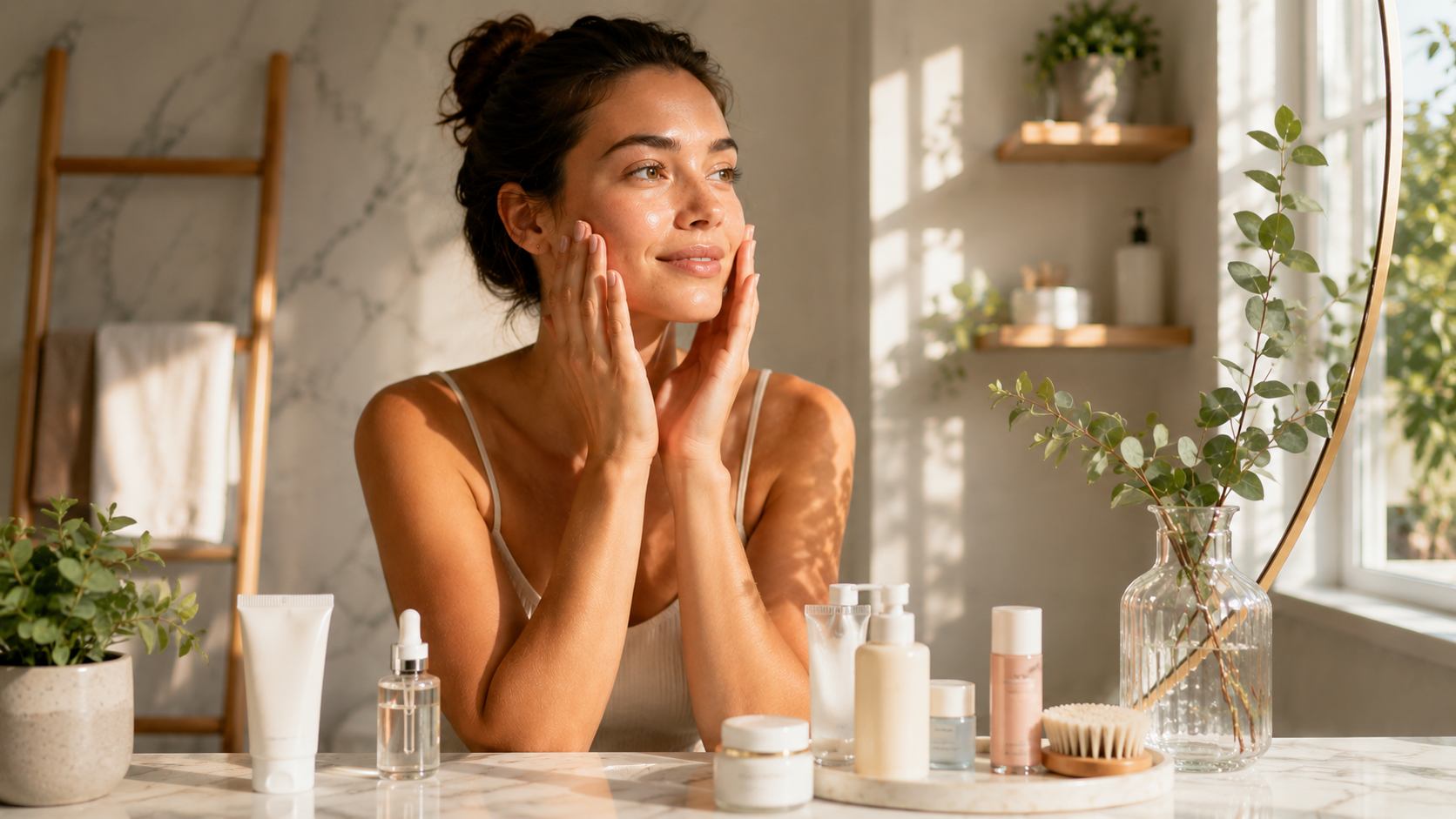
A simple yet effective routine includes four main steps:
- Cleanser: Use a gentle, non-stripping cleanser to remove dirt and oil.
- Antioxidant Serum: Apply in the morning for protection against environmental stress.
- Moisturizer: Keeps the skin hydrated and prevents water loss.
- Sunscreen: Protects from sun damage and should be used daily.
At night, replace the antioxidant serum with retinol or another treatment product, followed by moisturizer. This combination ensures your skin gets protection during the day and renewal at night.
Common Myths About Anti-Aging Skincare
- Myth 1: You only need anti-aging products after 40.
Prevention should begin much earlier to protect collagen and prevent premature signs. - Myth 2: Anti-aging skincare makes young skin dependent.
Using gentle, hydrating, and antioxidant-rich products supports long-term skin health without harm. - Myth 3: Expensive products work better.
Effectiveness depends on ingredients and formulation, not price tags. Many affordable products deliver great results.
Conclusion
The best time to start anti-aging skincare is before the visible signs appear. Beginning in your mid to late 20s with sunscreen, antioxidants, and hydration can make a significant difference over time. As your skin matures, you can gradually introduce stronger actives like retinoids or professional treatments.
For expert guidance on choosing the right anti-aging products and professional-grade skincare solutions, visit ROSS's in Highland Park, where quality products and personalized care come together to help you achieve your healthiest, most radiant skin.